Chest Strap or Wrist? Heart Rate Monitors Compared
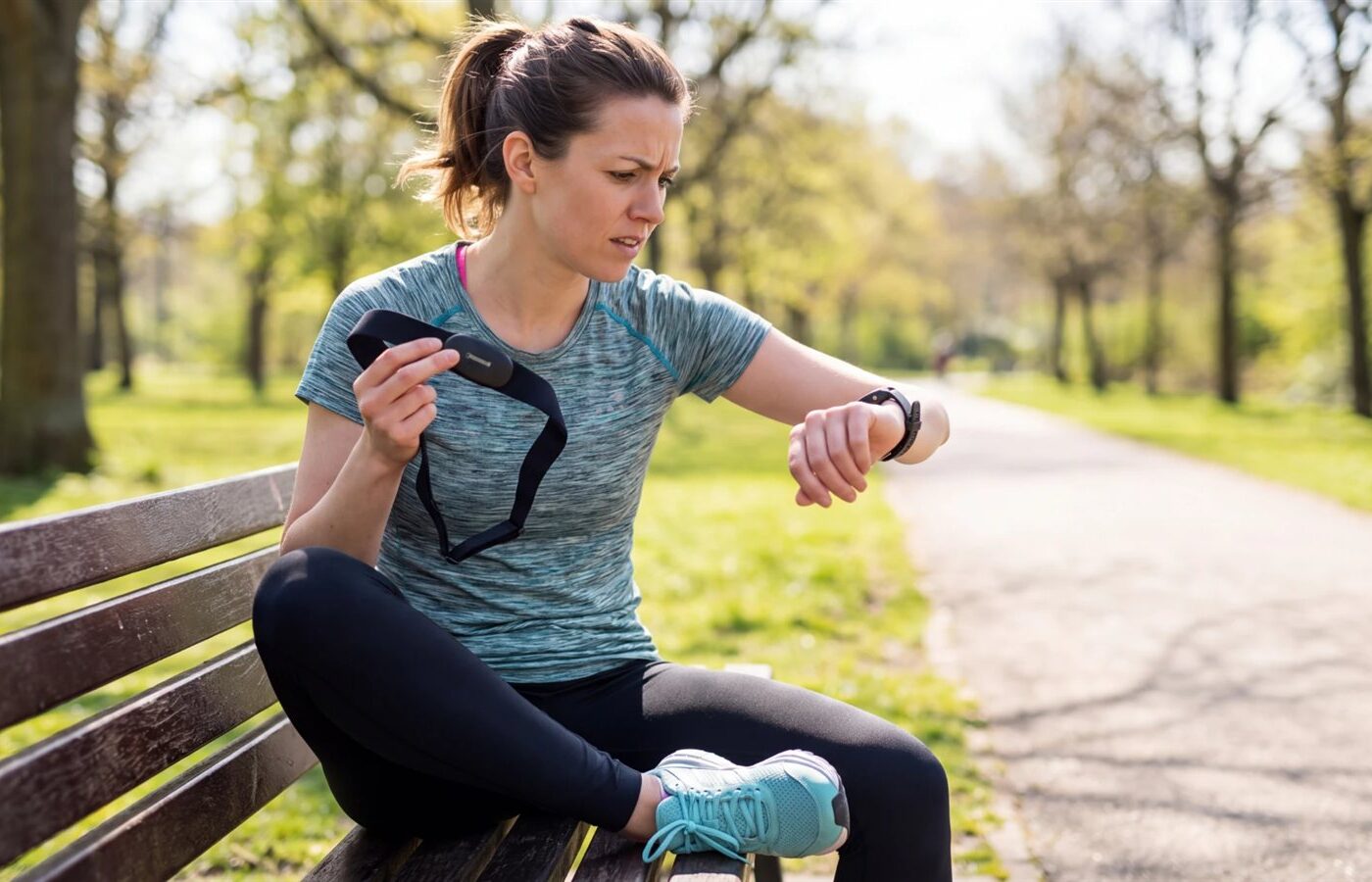
Heart rate is one of the most useful numbers a wearable can give you, because it helps you judge how hard you are working. But there are two main ways to measure it: an optical sensor on your wrist and a strap around your chest. They do not always agree. This guide looks at how they compare and how to get the most from whichever you use. It is general education, not medical advice.
How they work
A chest strap picks up the electrical signal from your heart, much like a simple ECG. A wrist device shines light into the skin and measures changes in blood flow. That is a clever shortcut, but it is one step removed from the heart itself, and it can be thrown off by movement, a loose fit, sweat or cold hands. Skin tone and tattoos can also affect optical readings.
A comparison by Cleveland Clinic researchers
In 2017, researchers at the Cleveland Clinic, led by Marc Gillinov, presented a study of 50 healthy volunteers at the American College of Cardiology meeting, later published in Medicine and Science in Sports and Exercise. Volunteers exercised on a treadmill, stationary bike and elliptical at several intensities while wearing popular wrist or forearm monitors alongside a chest strap, and the readings were compared with an ECG.
- The chest strap was the most accurate across activities and intensities.
- Optical devices were less reliable. According to the lead author, errors ranged from about 15 to about 34 beats per minute depending on the activity, and they could run high or low.
- Intensity mattered. Accuracy generally fell as effort rose, and it was best on a treadmill at low intensity and worst on an elliptical at high intensity.
These details come from conference and press coverage, and sources differ on which specific devices were tested, so check the paper for exact figures. The study was also small and drew mostly on volunteers from one institution. Devices improve quickly, so newer models may do better.
What this means for you
- For casual use, a wrist device is fine. If you want a rough sense of whether a walk is easy or hard, or how your resting rate trends over weeks, wrist readings are usually good enough.
- For training by zones, consider a strap. If you follow heart rate zones, as in our guide to zone 2 cardio, a chest strap gives steadier numbers during hard efforts.
- Use the effort scale too. The “talk test” is a free backup. If you can talk in full sentences, you are likely in an easy zone.
Tips for better wrist readings
- Wear it snug but comfortable, a finger’s width above the wrist bone.
- Warm up first. Cold skin slows blood flow and can confuse the sensor.
- Keep the sensor clean and dry. Sweat and lotion can interfere.
- Look at trends, not single numbers. A resting heart rate that drifts over weeks says more than one odd reading.
Related reading
Wearables measure other things too, and each has strengths and limits. See our guides to heart rate variability, the calories burned number and sleep trackers. If you ever have chest pain, fainting or a racing heartbeat, seek medical care rather than relying on a device.
Sources
- Gillinov S, Etiwy M, Wang R, et al. Variable accuracy of wearable heart rate monitors during aerobic exercise. Medicine and Science in Sports and Exercise, 2017 (presented at the American College of Cardiology 2017 Scientific Session; details from press and conference coverage).
- American College of Cardiology. Press release on wrist-worn and chest strap heart rate monitors, March 2017.
Weight Wire is free to read. A free account lets you save articles and use the private journal and food lookup, which are free to use too. Create my free account

Weight Wire Editorial Team
Writer at Weight Wire.