Electrolyte Drinks: When Water Is Enough
Walk through any store and you will find a wall of drinks promising hydration, electrolytes and a better workout. They have become part of the fitness look. But do most people need them? This guide sorts out when plain water does the job and when something more may help. It is general education, not medical advice.
What electrolytes are
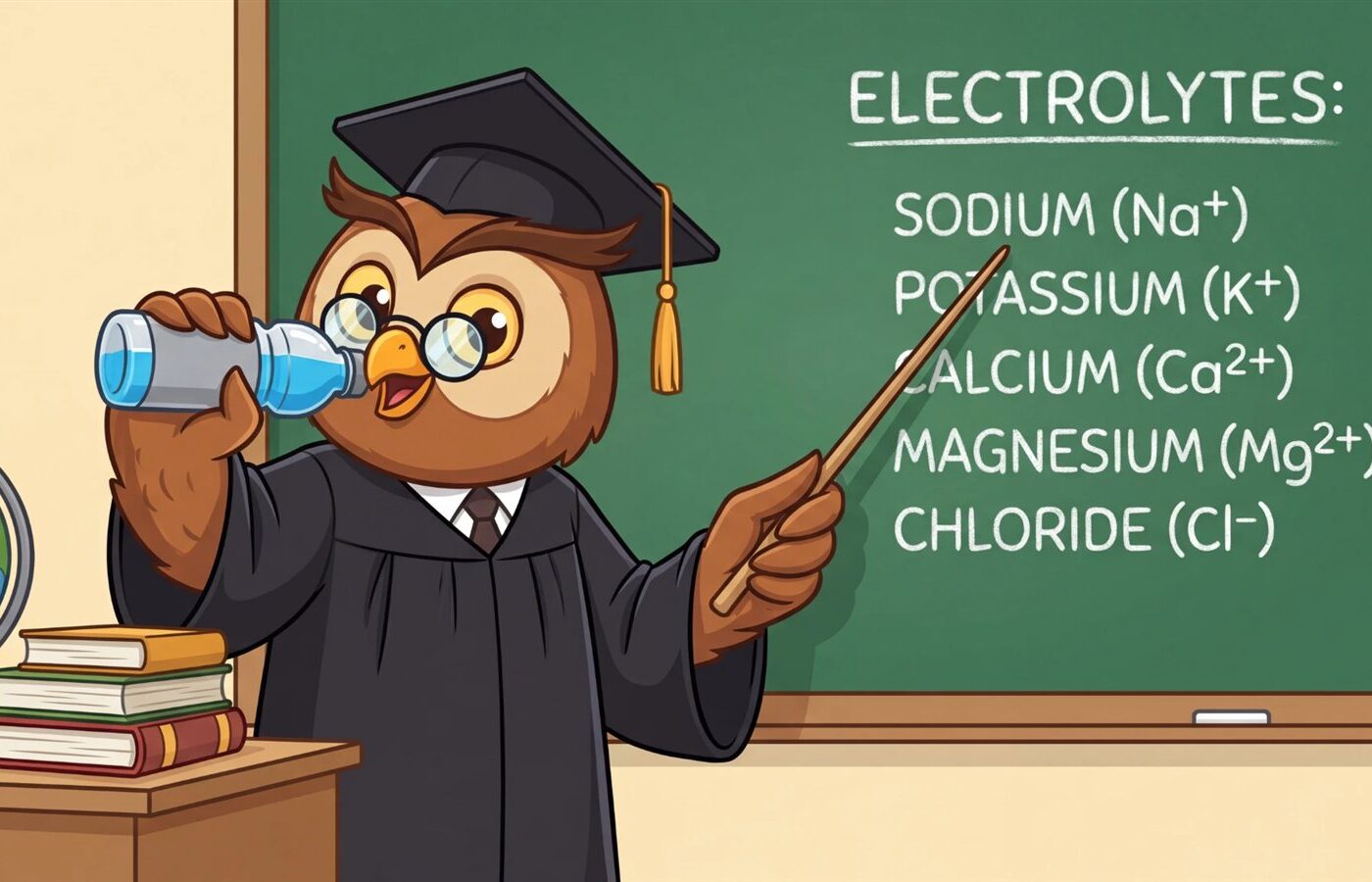
Electrolytes are minerals such as sodium, potassium, calcium and magnesium that help nerves, muscles and fluid balance work. You lose some of them in sweat, with sodium being the main one. Food normally replaces what you lose. A balanced diet supplies sodium and carbohydrates for most people, which is one reason a trip to the gym rarely calls for more than water and a meal.
Shorter workouts: water is usually enough
Sports dietitians and the broader sports medicine literature generally agree that for light to moderate exercise lasting up to about an hour, plain water is enough for most people. The American College of Sports Medicine’s position statement on exercise and fluid replacement (Sawka and colleagues, 2007) emphasizes drinking to replace what you lose without over-drinking, rather than a one-size-fits-all number. Summaries of the research also find little difference in performance between a carbohydrate and electrolyte drink and plain water in sessions under an hour.
When something more may help
- Long sessions. Exercise that runs well beyond an hour, such as a long run or ride, can use up carbohydrate as well as fluid, and a drink with both can be useful.
- Heat and heavy sweating. Hot conditions and heavy sweating mean larger sodium losses. Sweat sodium varies widely from person to person, with figures of roughly 400 to 1,500 milligrams per liter often quoted.
- Back-to-back efforts. If you train again within hours, replacing fluid and sodium matters more.
Sodium also matters at the other extreme. Drinking large amounts of plain water over many hours of exercise, without replacing sodium, can dilute the blood and lead to low sodium, called hyponatremia. It is uncommon, and it is mostly a concern in long endurance events, which is why guidance warns against forcing fluids.
Things to consider before you buy
- Sugar and calories. Many sports drinks contain added sugar, which can add up if you are not doing long, hard exercise. If you track what you eat, our guide to reading a nutrition label can help you compare.
- Sodium and health conditions. If you have high blood pressure, heart or kidney disease, or have been told to limit sodium, ask your clinician before adding electrolyte products.
- Thirst is a decent guide. For most healthy adults, drinking when thirsty and sipping through longer sessions works well. Dark urine is a hint to drink more, and persistent dizziness or confusion needs medical attention.
- Food counts. A snack with some salt and carbohydrate after a long workout does much of the same work as a drink.
A simple approach
For a walk, a lift or a class, bring water. For a long, hot or very sweaty session, consider adding sodium and carbohydrate, from a drink or from food. Pair hydration with other habits that support activity, like the ones we cover in our exercise guide and our walking guide.
Sources
- Sawka MN, Burke LM, Eichner ER, Maughan RJ, Montain SJ, Stachenfeld NS. American College of Sports Medicine position stand: Exercise and fluid replacement. Medicine and Science in Sports and Exercise, 2007.
- Sports dietitian and sports medicine summaries on hydration during exercise, including figures on sweat sodium (secondary sources; check the position stand for exact wording).
Weight Wire is free to read. A free account lets you save articles and use the private journal and food lookup, which are free to use too. Create my free account

Weight Wire Editorial Team
Writer at Weight Wire.