Exergames: Playing Your Way to More Movement
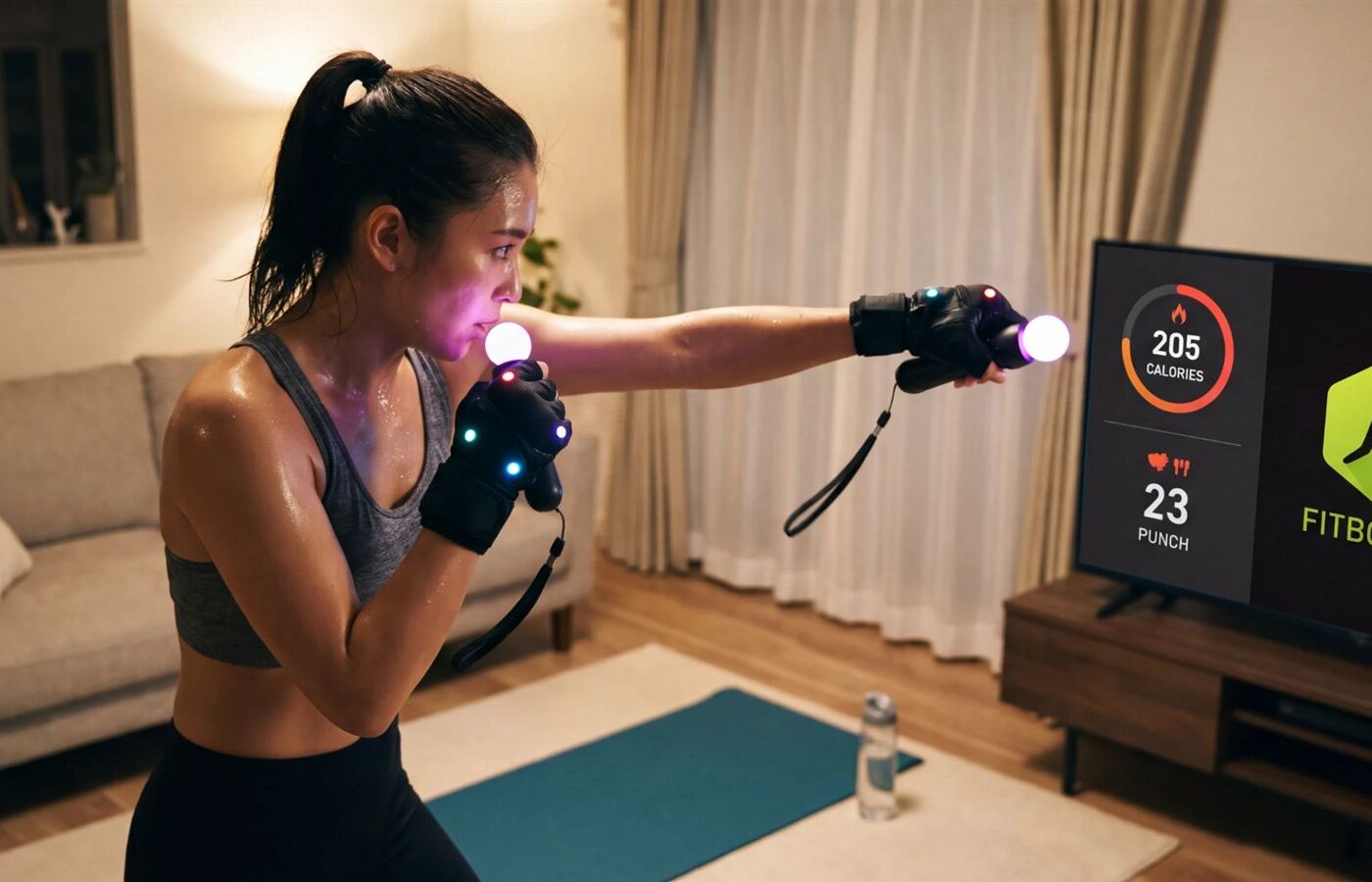
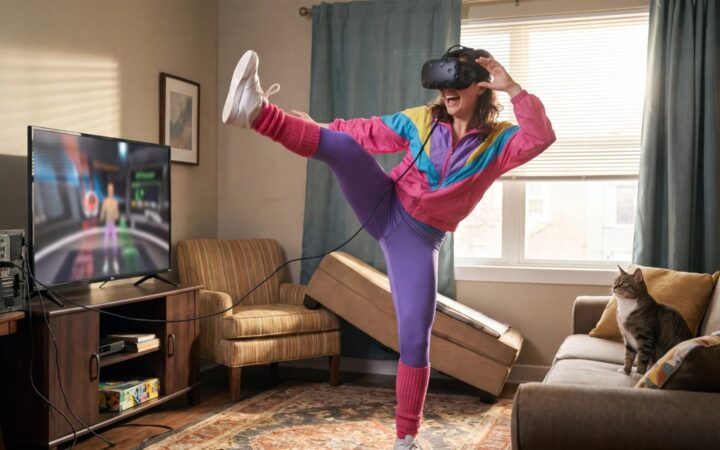
What if getting more movement into your day felt a little more like play? Active video games, often called exergames, ask you to swing, step, dance or dodge your way through a game, and researchers have been curious whether that playful push adds up. The early answer is a friendly one: it seems to help you move a bit more. Here is what the latest review found, and how to make it work for you.
Why a game can get you moving
Many of us know what we “should” do, and still struggle to start. A game changes the feeling. There are points to chase, levels to unlock and a little cheering from the screen, so the minutes tend to pass faster. Exergames use a console, a virtual reality headset, a camera or a phone to turn your own movement into the controller. If a treadmill feels like a chore, a boxing or dance game might feel like fun with a bonus.
A recent look across 20 trials
In 2025, a team led by Si-Jia Li published a systematic review and meta-analysis in the Journal of Medical Internet Research. It gathered 20 randomized controlled trials of exergame-based programs, with 2,211 participants in total. Here are the highlights:
- A small but real boost in activity. Across the 11 trials that measured overall physical activity, exergame groups moved a little more than comparison groups. The authors describe the effect as small and statistically significant.
- Steps and brisker activity looked better. The effects were larger for step counts and for moderate-to-vigorous activity, though those results varied more from study to study.
- Longer programs looked a bit better. Programs lasting three months or more showed a larger average effect than shorter ones, although that difference could have been due to chance.
Reading the results kindly and honestly
- Most trials involved children. Fifteen of the 20 targeted children and five targeted adults, so we know less about adults than we would like.
- The trials were short. They lasted from 1 to 24 weeks, so we do not yet know how long the habit lasts once the novelty fades.
- Weight did not budge in this review. The authors found no significant effect on BMI or on time spent sitting, so think of exergames as a way to add movement, not as a weight-loss tool on their own.
- Everyone knew which group they were in. That is hard to avoid with games, and it means some of the benefit may come from enthusiasm.
Getting started in a way you will enjoy
- Pick a game you would play anyway. Dancing, boxing, tennis, rhythm and adventure games all count. Enjoyment is what brings you back.
- Start with 10 to 15 minutes. Short sessions are easier to repeat, and they fit the idea behind exercise snacks.
- Make space and look after your joints. Clear the area, wear supportive shoes and listen to your body. If you have a medical condition, ask your clinician what is comfortable.
- Invite someone. Playing with family or friends adds fun and keeps you coming back, just like the live online workouts we have covered.
- Notice the steps and minutes. A phone can count your movement surprisingly well, as we explain in our look at phone pedometers, and a friendly step challenge can add to the fun.
A playful addition, not a replacement
Exergames will not replace a walk in the fresh air or a strength session, and the research does not claim they do. But if a game gets you off the couch on a rainy evening, that is movement you would not have had otherwise. Pair it with other favorites, such as walking, and keep whatever you enjoy.
Sources
- Li S-J, Ma H-M, Zhu L-Q, et al. Exergame-based behavior change interventions for promoting physical activity: systematic review and meta-analysis of randomized controlled studies. Journal of Medical Internet Research, 2025;27:e62906 (20 trials, 2,211 participants; figures from the published paper).
- U.S. Department of Health and Human Services. Physical Activity Guidelines for Americans, 2nd edition.
Weight Wire is free to read. A free account lets you save articles and use the private journal and food lookup, which are free to use too. Create my free account

Weight Wire Editorial Team
Writer at Weight Wire.