Giving Your Time: How Volunteering May Lift Your Well-Being
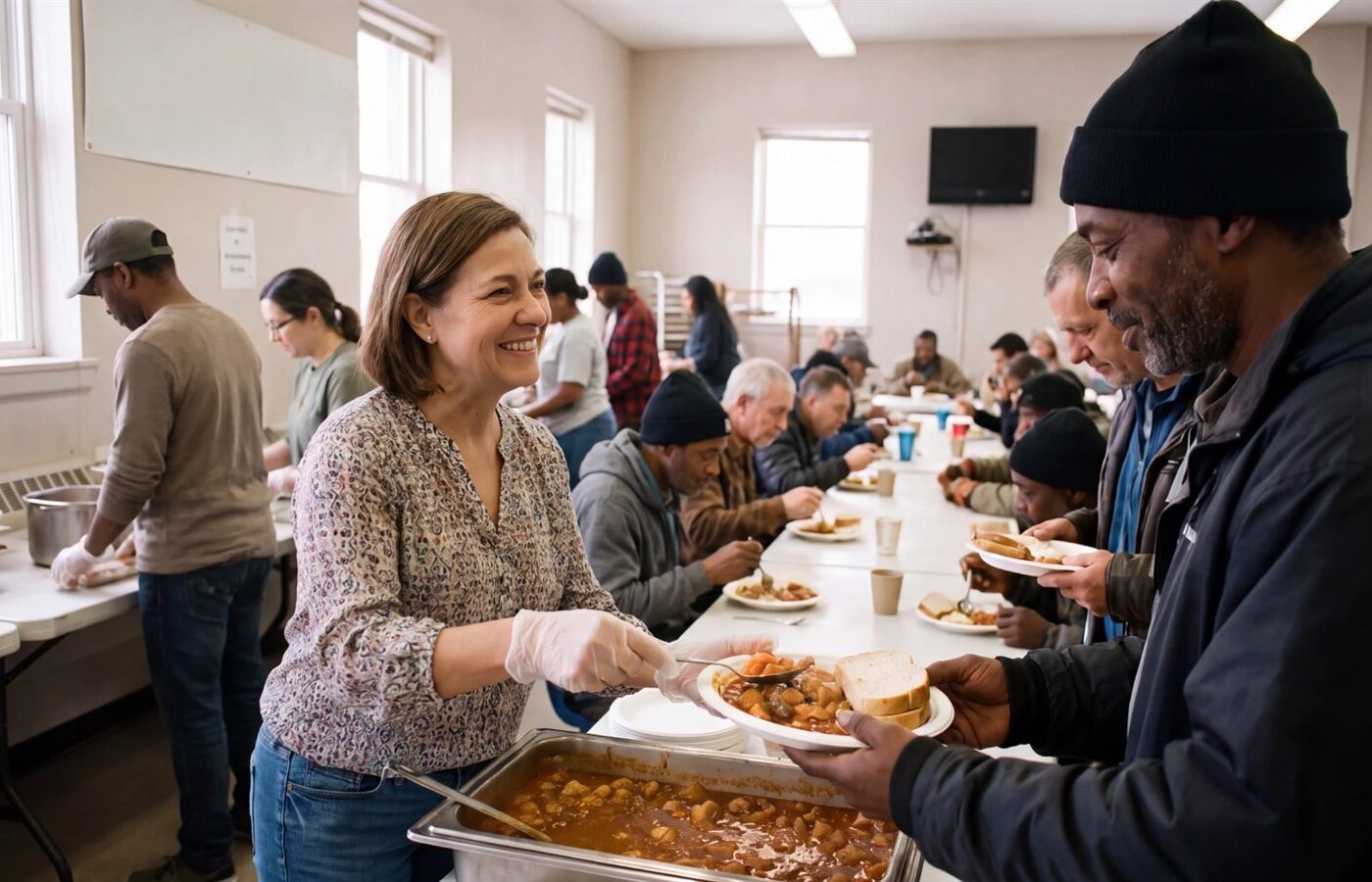
Few things feel as good as being useful to someone else. Whether it is serving a meal, mentoring a student or walking shelter dogs, giving your time can leave you feeling more connected and more purposeful. Researchers have looked at whether volunteering benefits the volunteer too. Here is the encouraging, and honest, picture.
A large review of volunteering
In 2013, Caroline Jenkinson and colleagues published a systematic review and meta-analysis in BMC Public Health on the health of volunteers. They selected 40 papers, including trials, non-randomized studies and cohort studies. Here is what stood out:
- Better mood and life satisfaction. Cohort studies found volunteering was linked with favorable effects on depression, life satisfaction and well-being.
- Lower risk of dying earlier. Pooling five cohort studies, volunteers had a lower risk of mortality (risk ratio about 0.78).
- No clear winner on type or amount. There was not enough evidence to say which kinds of volunteering, or how many hours, work best.
A balanced view
Most of this evidence is observational, and the experimental studies did not confirm the same findings. Most of the trials were small and at moderate or high risk of bias. People who are healthier, happier and more connected may also be more likely to volunteer in the first place. So it is a promising link, not a guarantee.
Easy ways to begin
- Start with what you care about. Animals, kids, gardens, libraries and food banks all need helpers.
- Go small. One hour a month is a meaningful start, and you can build from there.
- Bring a friend, which doubles the connection. See why connection matters.
- Try something that moves you, like a park clean-up or a community walk. See time in nature.
- Add small kindnesses to your day. You can read more in acts of kindness.
- Protect your energy. Helping should leave you feeling good, so choose a pace that fits your life.
When giving feels like too much
It is okay to say no sometimes. If you are feeling overwhelmed, stressed or low, volunteering is not a substitute for rest or professional support.
This article is for general education and is not medical advice.
Sources
- Jenkinson CE, Dickens AP, Jones K, et al. Is volunteering a public health intervention? A systematic review and meta-analysis of the health and survival of volunteers. BMC Public Health. 2013;13:773. PubMed Central
Weight Wire is free to read. A free account lets you save articles and use the private journal and food lookup, which are free to use too. Create my free account

Weight Wire Editorial Team
Writer at Weight Wire.