Olive Oil and Health: A Spoonful a Day
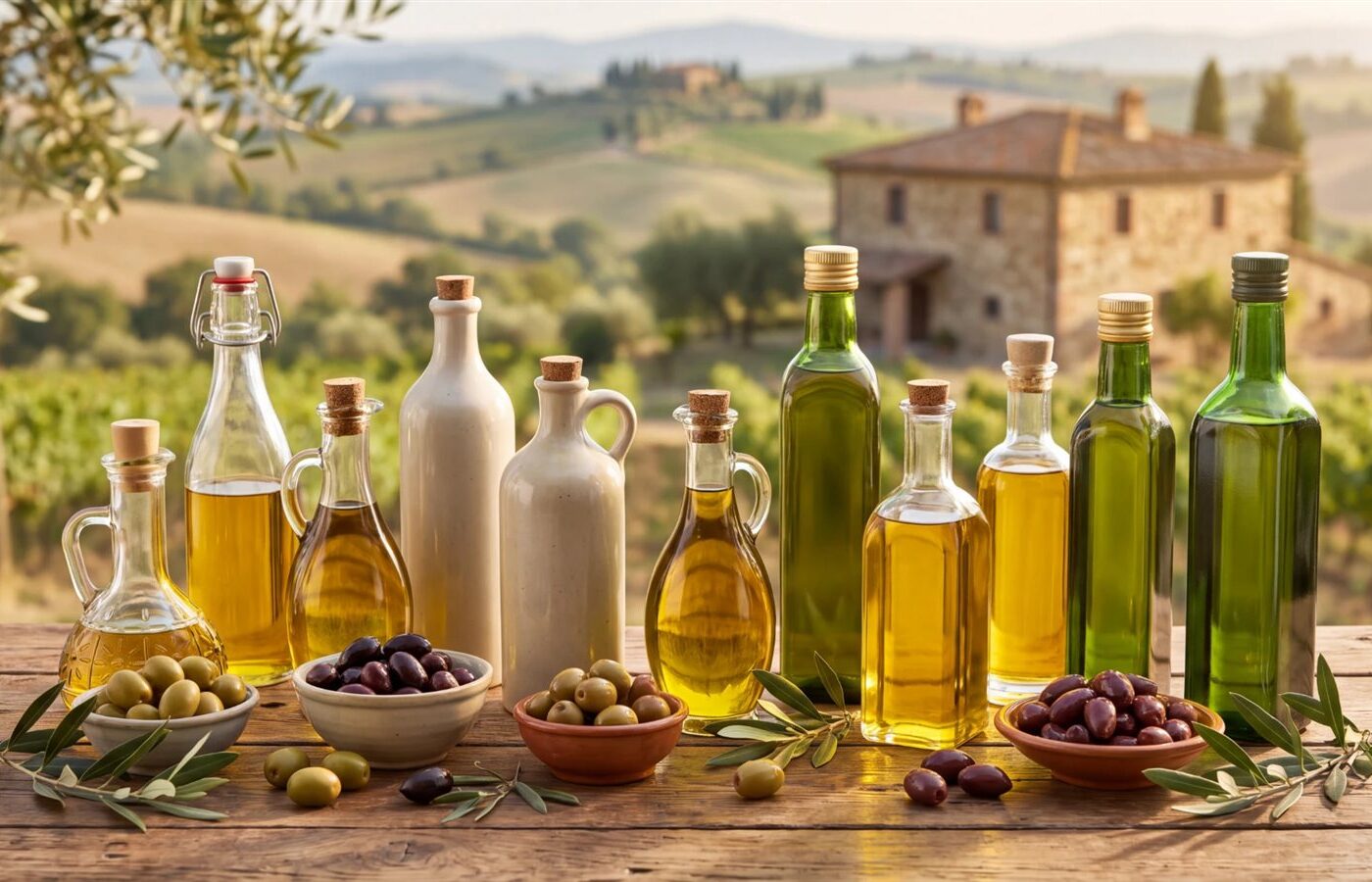
Olive oil has long been the signature of Mediterranean cooking, and lately it has become a social media talking point too. It is a healthy fat, and it is also a calorie-dense one: a tablespoon holds well over 100 calories. So how much is worth having? This is general education, not medical advice.
A large long-term study
In 2022, Marta Guasch-Ferré and colleagues published an analysis in the Journal of the American College of Cardiology using two large American studies of health professionals, the Nurses’ Health Study and the Health Professionals Follow-up Study. It followed about 60,000 women and 31,800 men for 28 years, with diet questionnaires every four years.
- People who ate more than about 7 grams of olive oil a day (a little over half a tablespoon) had a lower risk of dying from cardiovascular disease than people who rarely or never used it.
- Comparing the highest intake group with the lowest, the risk of cardiovascular death was about 19 percent lower (hazard ratio 0.81).
- Swapping about 10 grams a day of margarine, butter, mayonnaise or dairy fat for olive oil was linked to lower risk of death overall and from several causes.
- Swapping olive oil for other vegetable oils did not show a significant difference.
Reading the findings carefully
- It is observational. People who use more olive oil may also eat more vegetables, exercise more and have higher incomes. The authors adjusted for many of these factors, but they cannot rule out all of them.
- The group was mostly health professionals of European ancestry, so results may differ elsewhere.
- The sweet spot was modest. The benefit appeared at around half a tablespoon to a tablespoon a day, not by pouring on more.
Using it well
- Use it in place of something, such as butter on vegetables or creamy dressings, rather than in addition to everything else.
- Measure sometimes. A “drizzle” can easily be two or three tablespoons. The label and our guide to reading a nutrition label help with serving sizes.
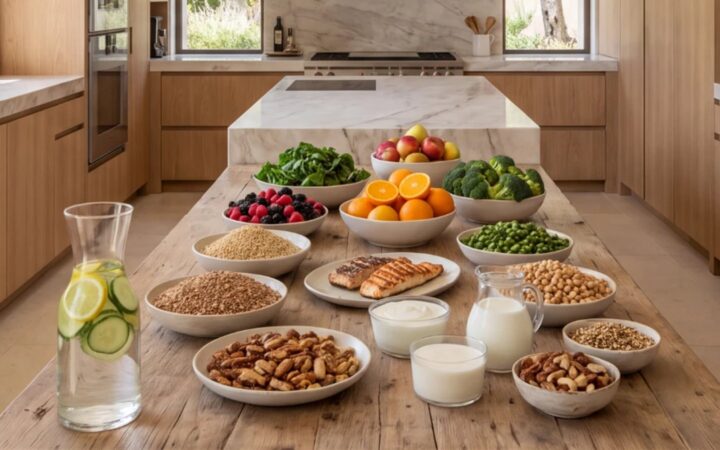
- Think of it as part of a pattern. The benefits studied belong to a way of eating rich in vegetables, beans, whole grains and fish, like the one in our Mediterranean diet guide.
- Skip the “shots.” There is no evidence that swallowing oil by the spoonful does anything special, and it adds calories fast.
Sources
- Guasch-Ferré M, Li Y, Willett WC, et al. Consumption of olive oil and risk of total and cause-specific mortality among U.S. adults. Journal of the American College of Cardiology, 2022;79(2):101-112.
- American College of Cardiology. Higher olive oil intake associated with lower risk of CVD mortality (press release), January 2022.
Weight Wire is free to read. A free account lets you save articles and use the private journal and food lookup, which are free to use too. Create my free account

Weight Wire Editorial Team
Writer at Weight Wire.