GLP-1 Medications and Your Liver
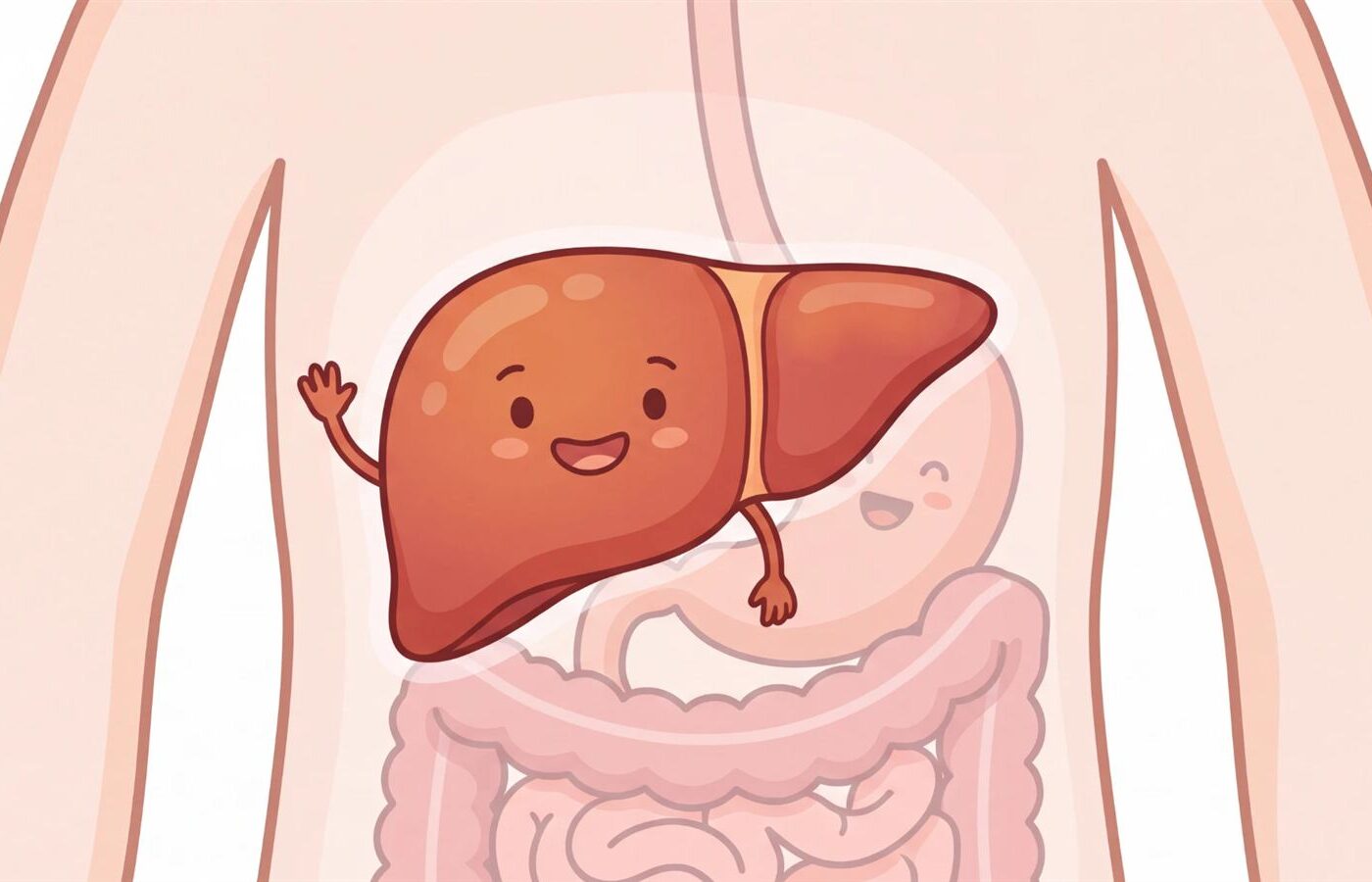
Your liver works quietly in the background, which is exactly why problems there can go unnoticed. One of the most common is fatty liver disease, and researchers have recently found something encouraging about how a GLP-1 medication might help certain people with its more advanced form. Let us walk through what a major 2025 trial found, in a way that is easy to follow.
Meet MASH
Many of us have heard of “fatty liver.” When the extra fat comes with inflammation and, over time, scarring, doctors call it MASH, short for metabolic dysfunction-associated steatohepatitis. You may also see the older name, NASH. It tends to be linked to weight, type 2 diabetes and other metabolic conditions, and it often causes no symptoms at all, so it is usually found through blood tests, imaging or a biopsy.
The reason doctors take it seriously is the scarring, called fibrosis. Mild scarring can sometimes improve, and the goal of treatment is to stop it from getting worse.
A trial built around the liver
The ESSENCE trial, led by Arun Sanyal and Philip Newsome and published in the New England Journal of Medicine in 2025, tested once-weekly semaglutide in adults with MASH and moderate to advanced scarring (stages F2 to F3, without cirrhosis). Participants received semaglutide or a placebo, on top of their usual care, in a two-to-one split. The first part of the trial looked at liver tissue samples from the first 800 participants after 72 weeks, and the full study is continuing for years longer.
The numbers
- Less inflammation and fat: About 63 percent of people on semaglutide had their MASH resolve without worsening scarring, compared with about 34 percent on placebo.
- Less scarring: About 37 percent had improved scarring without worsening MASH, compared with about 22 percent on placebo.
- Both at once: About 33 percent achieved both goals, compared with about 16 percent on placebo.
- Side effects: Stomach-related effects were more common with semaglutide, including nausea (about 36 percent versus 13 percent) and diarrhea (about 27 percent versus 12 percent). Only a small share of people stopped because of side effects in either group.
Those figures come from published summaries of the paper, so check the original if you plan to quote them. Our guide to side effects in the big GLP-1 trials goes through what people reported more broadly.
What happened next
Based on this trial, a semaglutide medication received an accelerated approval from the FDA in August 2025 for adults with MASH and moderate to advanced scarring who do not have cirrhosis. “Accelerated” means the approval rests on changes seen in the liver, with a follow-up study still confirming longer-term benefits.
Keeping the findings in perspective
- This was a specific group. The trial enrolled people with biopsy-confirmed MASH and scarring. It does not say these medications are a liver treatment for everyone.
- The main results are about liver tissue. Researchers are still collecting data on the outcomes people care about most, like avoiding cirrhosis and liver complications.
- The trial was sponsored by the manufacturer. That is common for large drug trials, and it is a good reason to look for independent follow-up.
- Medication is not the only tool. Many liver specialists also encourage gradual weight loss, regular movement and a balanced eating pattern.
Everyday habits your liver likes
- Eat in a Mediterranean-style way. Plenty of vegetables, beans, whole grains, olive oil and fish; see our Mediterranean diet guide.
- Move most days. Even a daily walk helps; how much walking is enough has a gentle starting point.
- Protect your muscle. If you are on a GLP-1 medication, see our look at muscle on GLP-1 medications and eating well while taking one.
- Be thoughtful about alcohol. Ask your clinician what is right for you, and see how alcohol affects eating.
A good conversation to have
If you have been told you have fatty liver disease, or you have risk factors like type 2 diabetes, it is worth asking your doctor about your liver health and what the right tests are. Weight Wire cannot tell you whether any medication is right for you, but we hope this gives you good questions to bring. If you are curious about who these medications are labeled for in general, our guide to who qualifies for a GLP-1 medication is a helpful companion, and our piece on kidney health shows how these medications are studied beyond weight.
Sources
- Sanyal AJ, Newsome PN, Kliers I, et al. Phase 3 trial of semaglutide in metabolic dysfunction-associated steatohepatitis (ESSENCE). New England Journal of Medicine, 2025, doi:10.1056/NEJMoa2413258 (figures from published summaries and the manufacturer’s release; the full paper was not read).
- U.S. Food and Drug Administration approval for noncirrhotic MASH with moderate to advanced fibrosis, August 2025 (accelerated approval, as reported by the American Association of Clinical Endocrinology and trade press).
- National Institute of Diabetes and Digestive and Kidney Diseases. Information on fatty liver disease and MASH.
Weight Wire is free to read. A free account lets you save articles and use the private journal and food lookup, which are free to use too. Create my free account

Weight Wire Editorial Team
Writer at Weight Wire.