Activity Trackers: A Friendly Nudge Toward More Movement
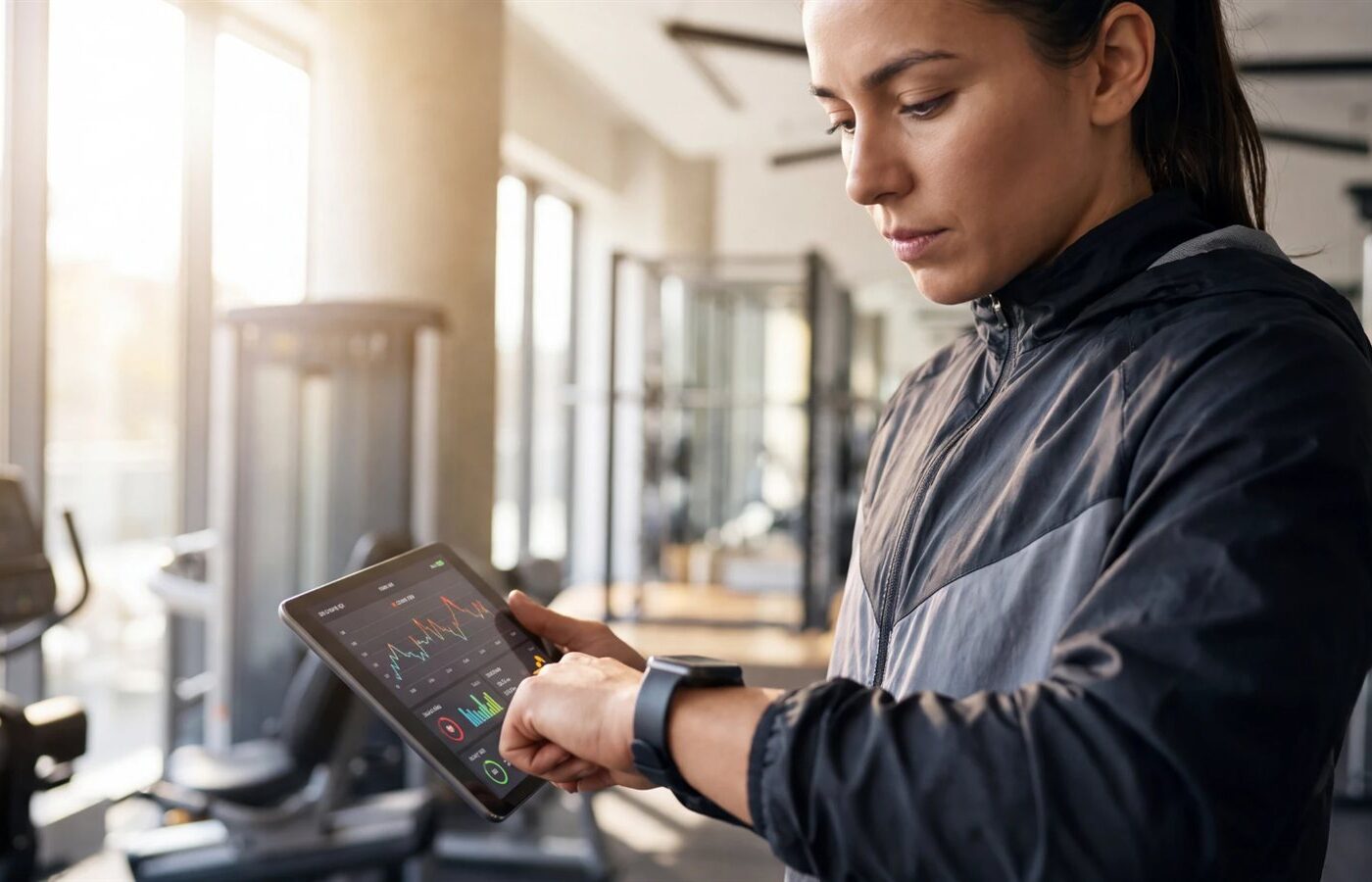
Here is a happy thought: a small device on your wrist, or the phone already in your pocket, may quietly help you move more. Activity trackers have been studied a lot, and when researchers pooled the results, the picture was pleasantly encouraging. Let’s look at what they found, how to get the most out of a tracker, and how to keep it fun. This is general education, not medical advice, and it does not recommend any particular device.
A big look across many reviews
In 2022, Ferguson and colleagues published an umbrella review in The Lancet Digital Health. An umbrella review is a review of reviews: this one gathered 39 systematic reviews and meta-analyses covering 163,992 participants. Across them, people who used wearable activity trackers showed improvements in physical activity, body composition and fitness. The authors translated the effect sizes into everyday terms, which works out to roughly:
- About 1,800 extra steps a day.
- About 40 more minutes of walking a day.
- A small average difference in body weight, around 1 kilogram in one summary of the review.
The team concluded there is enough evidence to recommend activity trackers. For a gadget that mostly just shows you a number, that is a lovely result.
Why a little nudge may help
Trackers turn invisible habits into something you can see, which makes it easier to notice, set a small goal and celebrate a win. Seeing 3,000 steps by noon can be the gentle push toward an after-lunch stroll. And the nudge can be even stronger with company: our guide to moving together explains why friends make habits stick.
Getting the most from yours
- Start with a baseline week. Wear it as usual to see your normal, then nudge it up a little at a time.
- Do not chase a magic number. The famous 10,000 has a surprising history, which we unpack in the 10,000-steps story.
- Look at trends. A week-to-week view tells you more than any single day, and a phone in your pocket can count steps surprisingly well, as we describe in your phone as a pedometer.
- Treat calories burned as a rough guess. Steps and active minutes are more dependable, as our tracker accuracy guide explains.
- Make it playful. A friendly challenge can add fun, and step challenges and badges are worth a look.
- Take breaks when you like. A tracker is a helper, not a boss, and it is perfectly fine to leave it on the charger for a day or a season.
A few honest notes
The 1,800-step and 40-minute figures are approximations converted from pooled effect sizes, and an umbrella review can only be as good as the reviews it collects. The people and devices in these studies varied, and the effects on other measures, such as many health markers, were typically small. In other words, trackers are a friendly nudge toward more movement, not a promise of any one result. To learn how far other wearables go, see what a smart ring or wearable can and cannot tell you.
Where Weight Wire fits
Disclosure: Weight Wire’s free private journal has an optional activity log where you can note minutes and steps from any tracker, or none at all, and see your week at a glance. It does not calculate calories burned. It is a simple place to notice your patterns, and it was not part of the research above.
Sources
- Ferguson T, Olds T, Curtis R, et al. Effectiveness of wearable activity trackers to increase physical activity and improve health: a systematic review of systematic reviews and meta-analyses. The Lancet Digital Health, 2022;4(8):e615-e626 (abstract and press summaries; the steps, minutes and weight figures are approximate conversions reported by the authors and summaries).
Weight Wire is free to read. A free account lets you save articles and use the private journal and food lookup, which are free to use too. Create my free account

Weight Wire Editorial Team
Writer at Weight Wire.