Making Something: How Creative Hobbies May Lift Your Well-Being
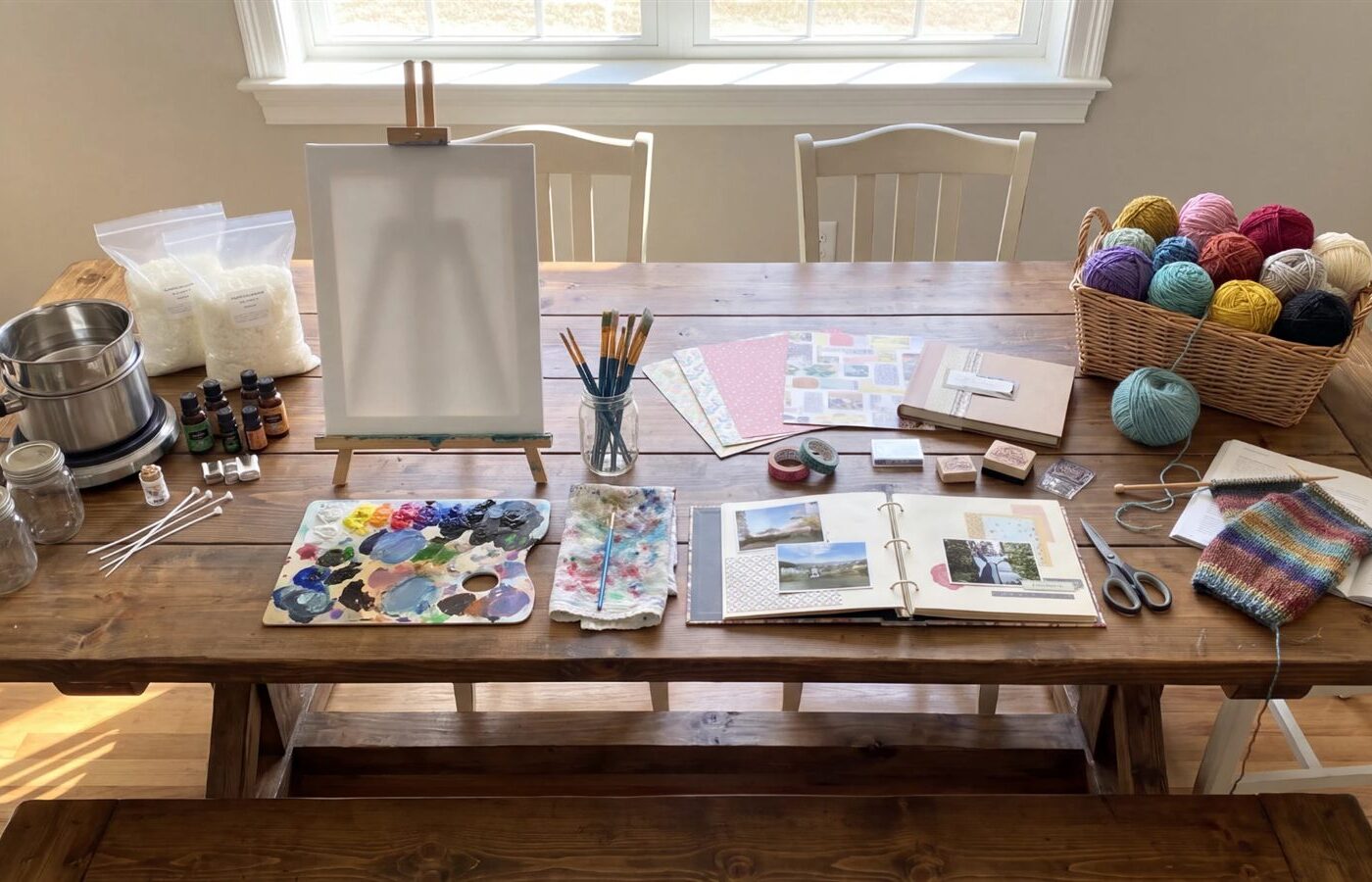
Painting, knitting, singing, woodworking, doodling in a notebook: making something is one of life’s quiet pleasures. You do not need talent or a studio, just a little time and curiosity. A large report for the World Health Organization looked at what we know about the arts and well-being, and the picture is warm and encouraging. Here is what it says, and how to dip a toe in.
A big look at the arts and health
In 2019, Daisy Fancourt and Saoirse Finn wrote a scoping review for the WHO Regional Office for Europe on the role of the arts in health and well-being. They mapped English- and Russian-language research from 2000 to 2019 and found over 900 publications, including more than 200 reviews that together covered over 3,000 further studies. Their overall message:
- The arts can support well-being in prevention, in promoting health and in managing and treating illness.
- The evidence is wide-ranging, from small pilot projects to randomized trials and long-term studies.
- The report encourages wider access to arts activities for everyone.
Keeping it in proportion
A scoping review maps what exists; it does not rank every study or promise that a hobby will cure anything. Their definition of the arts was fairly narrow (gardening, cooking and volunteering were left out), and the quality of studies varies. So it is a hopeful pointer, not a prescription.
Easy ways to start
- Pick something that sounds fun, not impressive. Coloring, sketching, collage, beading and singing in the kitchen all count.
- Start with ten minutes. A small, regular slot is easier to keep than a big plan.
- Let it be imperfect. The point is the doing, not the result.
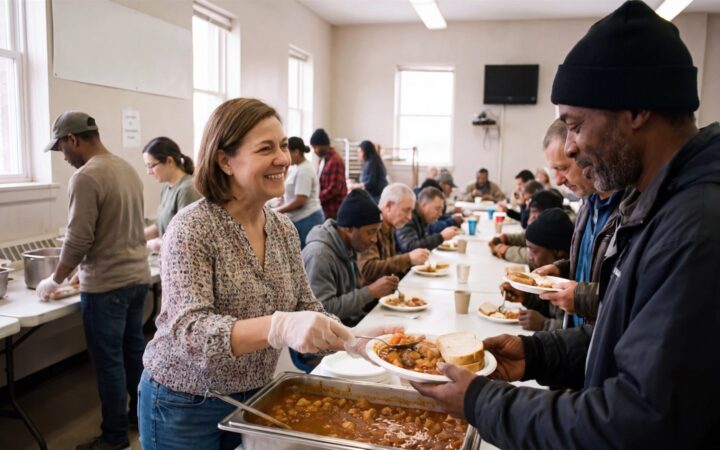
- Do it with others. A class, choir or craft circle adds connection; see why connection matters.
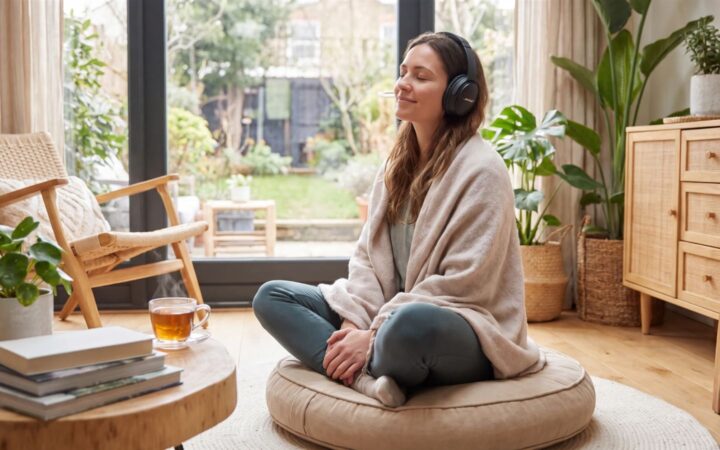
- Pair it with a favorite sound. Our piece on music and stress has ideas.
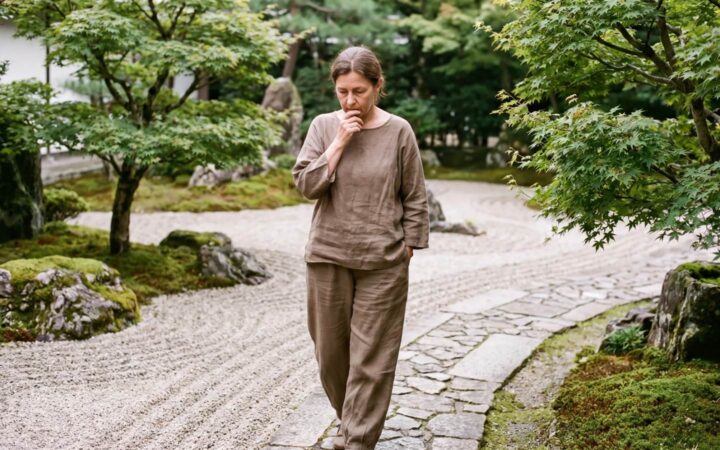
- Make it a quiet reset. Creative time can be a lovely wind-down, like the ideas in mindful walking.
A note on feelings
If you feel persistently low, anxious or overwhelmed, a hobby is a good companion but not a substitute for professional support. Talking with a licensed professional can make a real difference.
This article is for general education and is not medical advice.
Sources
- Fancourt D, Finn S. What is the evidence on the role of the arts in improving health and well-being? A scoping review. Copenhagen: WHO Regional Office for Europe; 2019 (Health Evidence Network synthesis report 67). NCBI Bookshelf
Weight Wire is free to read. A free account lets you save articles and use the private journal and food lookup, which are free to use too. Create my free account

Weight Wire Editorial Team
Writer at Weight Wire.