Balance Training: A Smart Way to Prevent Falls
Balance is one of those abilities most of us never think about until it slips. Falls are a leading cause of injury in older adults, and the encouraging news is that balance can be trained at any age. This is general education, not medical advice, and anyone with a history of falls or a health condition should check with a clinician first.
How much exercise helps
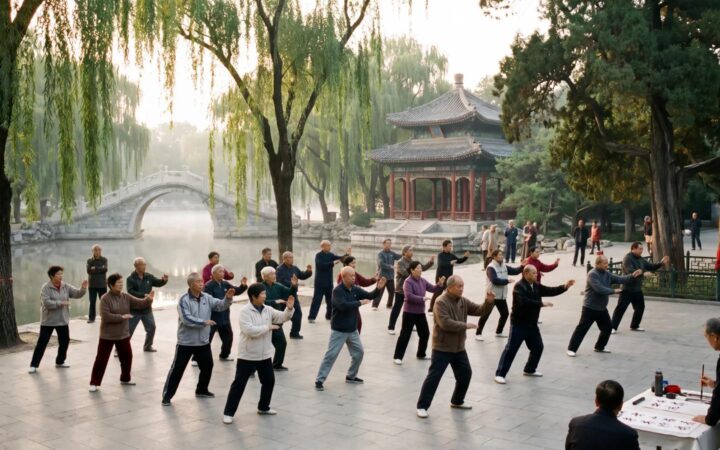
A 2019 Cochrane review led by Catherine Sherrington pooled 59 trials with nearly 13,000 older adults living in the community. Exercise lowered the rate of falls by about 23 percent, and the evidence was rated high certainty. Looking at types of exercise, balance and functional exercises (activities that practice everyday movements like standing up, stepping and turning) reduced falls by roughly 24 percent. Programs that combined several types of exercise, often balance with strength, probably cut falls by around a third, and tai chi may help too, though with less certainty.
Side effects were usually minor, such as muscle or joint soreness.
What balance training looks like
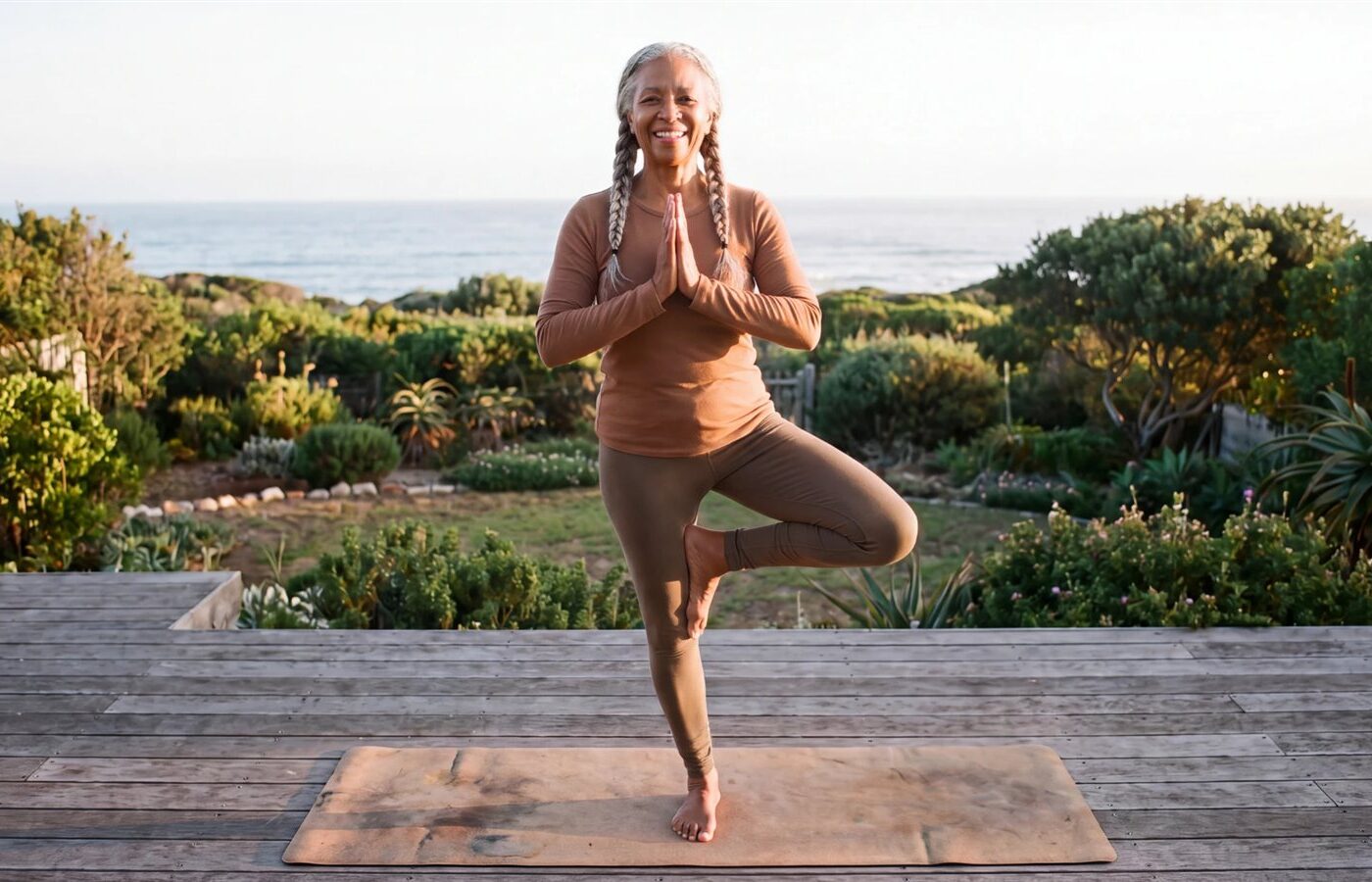
- Standing on one foot, near a counter for support, building up to longer holds.
- Heel-to-toe walking, as if on a line.
- Sit-to-stand practice from a sturdy chair, which also builds leg strength.
- Stepping in different directions and turning smoothly.
- Tai chi or similar classes, which many people enjoy and stick with.
The trials suggest that harder balance challenges help more, so over time, small progressions matter: eyes open, then closed, hands on support, then lightly touching, then free.
Strength helps balance
Strong legs and hips make recovering from a stumble easier. Our guide to strength training and bone health explains how lifting protects bones, which also matters if a fall does happen.
Making it a habit
- Attach it to something you already do, such as practicing one-foot stands while brushing your teeth. Our guide to if-then plans shows how.
- Do it regularly. The benefits in the trials came from ongoing programs, not one-off sessions.
- Make the home safer too, with good lighting, secure rugs and handrails.
Sources
- Sherrington C, Fairhall NJ, Wallbank GK, et al. Exercise for preventing falls in older people living in the community. Cochrane Database of Systematic Reviews, 2019, Issue 1, CD012424. Abridged version in British Journal of Sports Medicine, 2020;54:885-891.
Weight Wire is free to read. A free account lets you save articles and use the private journal and food lookup, which are free to use too. Create my free account

Weight Wire Editorial Team
Writer at Weight Wire.