Tai Chi: Slow, Gentle Movement With Real Benefits
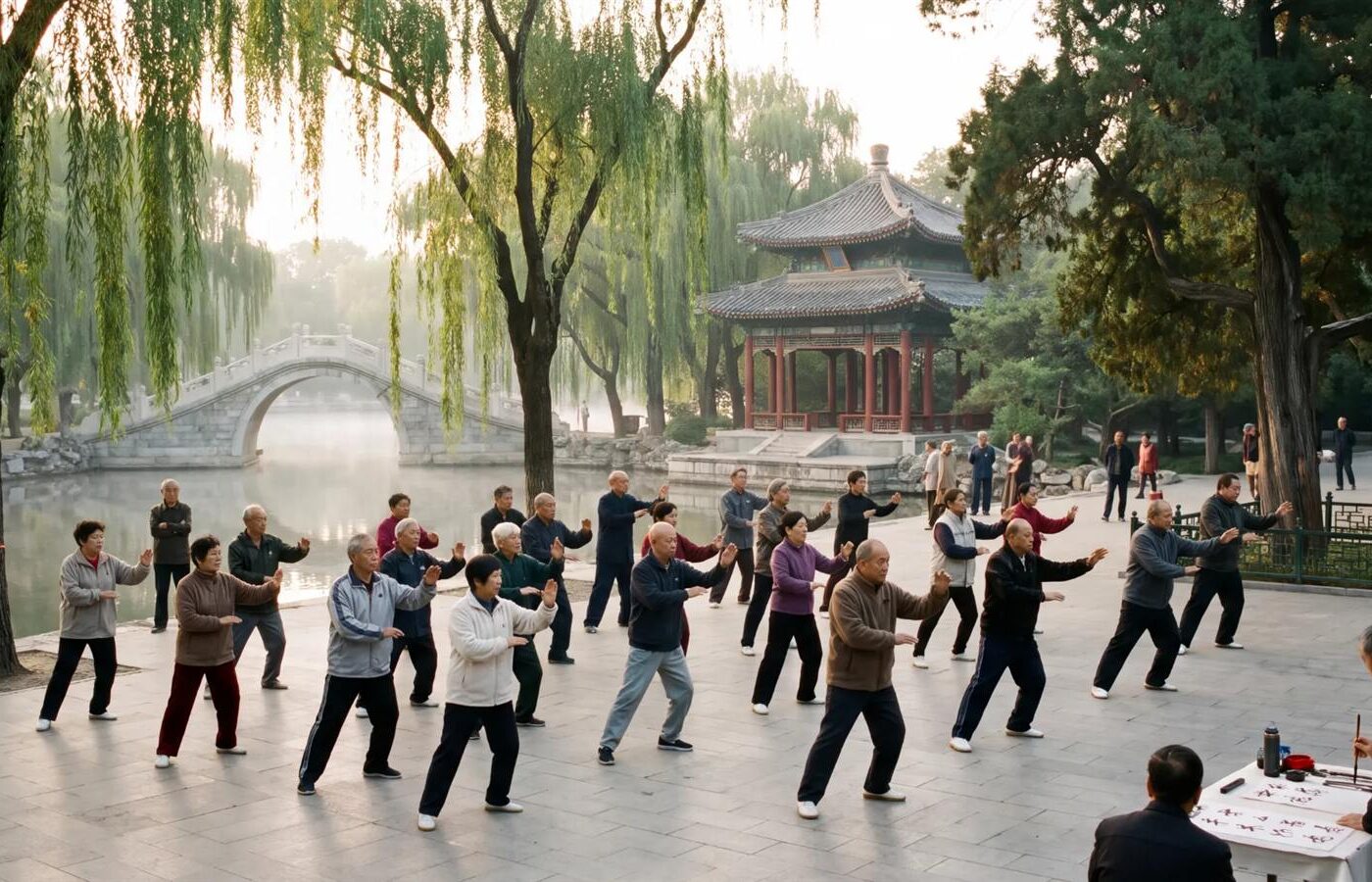
Tai chi looks like a slow, flowing dance, and that is exactly what makes it so inviting. There are no weights, no sprinting and no experience required. Researchers have been studying it for years, especially for balance. Let us see what they found, and how to try it.
What tai chi is
Tai chi is a gentle mind-body practice from China made up of slow, connected movements, steady breathing and shifting your weight from one foot to the other. It can be done standing or even seated, and you can go at your own pace.
What a recent review found
A 2023 systematic review and meta-analysis in Frontiers in Public Health pooled 24 randomized trials of adults aged 60 and older. It reported:
- Fewer falls. Tai chi was linked to a lower risk of falling (relative risk about 0.76) and fewer falls overall.
- Better balance. People did better on balance tests such as the timed up and go test.
- More practice, more benefit. The effect appeared larger with longer programs and more frequent sessions.
A U.S. Department of Veterans Affairs evidence map also noted statistically significant effects across existing studies for high blood pressure, falls outside of care facilities and thinking skills. That map summarizes other reviews, so we treat it as encouraging rather than final.
A realistic view
Studies vary in quality, and tai chi is not a replacement for medical care. It is a pleasant, low-impact way to build balance and confidence, ideally alongside other activity such as strength training and balance training.
Easy ways to start
- Look for a beginner class. Community centers, senior centers, parks and many gyms offer them, often for a low cost.
- Try a video at home if you prefer to start in private. Pick a short one aimed at beginners.
- Wear comfortable shoes or go barefoot on a non-slip surface, with a sturdy chair or counter nearby.
- Start with 10 to 15 minutes, two or three times a week, and build gradually.
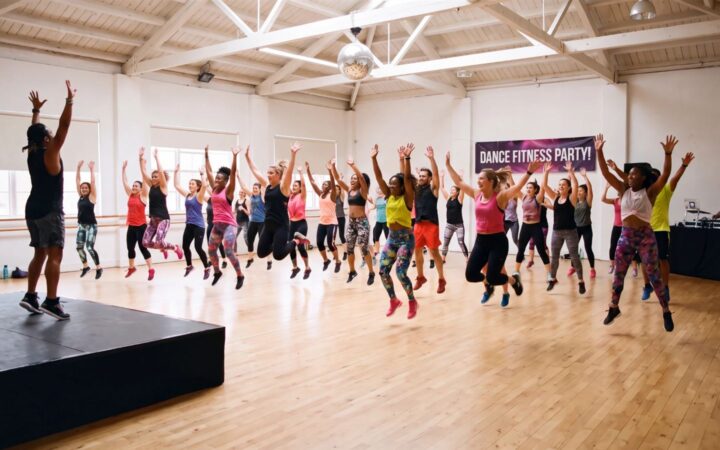
- Go with a friend. Moving together can help you stick with it; see group workouts.
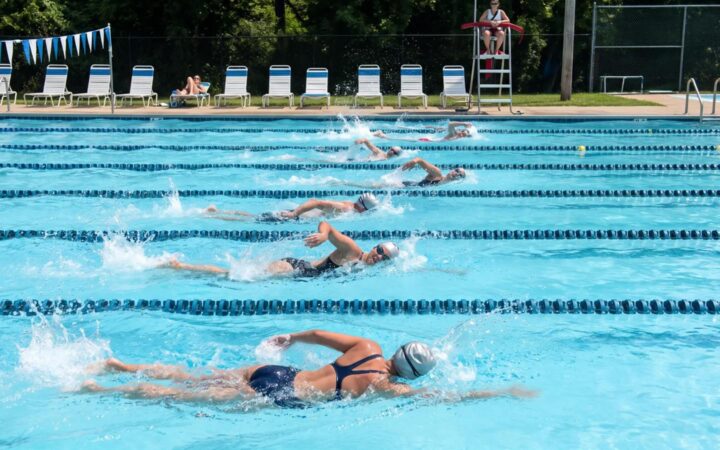
- Mix in other gentle options, like swimming and water workouts.
Staying safe
Move slowly, stop if you feel dizzy or have pain, and tell your instructor about any injuries or balance problems. If you have a health condition or have fallen before, check with your healthcare professional first.
This article is for general education and is not medical advice.
Sources
- Tai Chi for fall prevention and balance improvement in older adults: a systematic review and meta-analysis of randomized controlled trials. Frontiers in Public Health. 2023. PubMed Central
- Evidence map of Tai Chi. U.S. Department of Veterans Affairs. NCBI Bookshelf
Weight Wire is free to read. A free account lets you save articles and use the private journal and food lookup, which are free to use too. Create my free account

Weight Wire Editorial Team
Writer at Weight Wire.