Dancing for Fitness: Joyful Movement That Counts
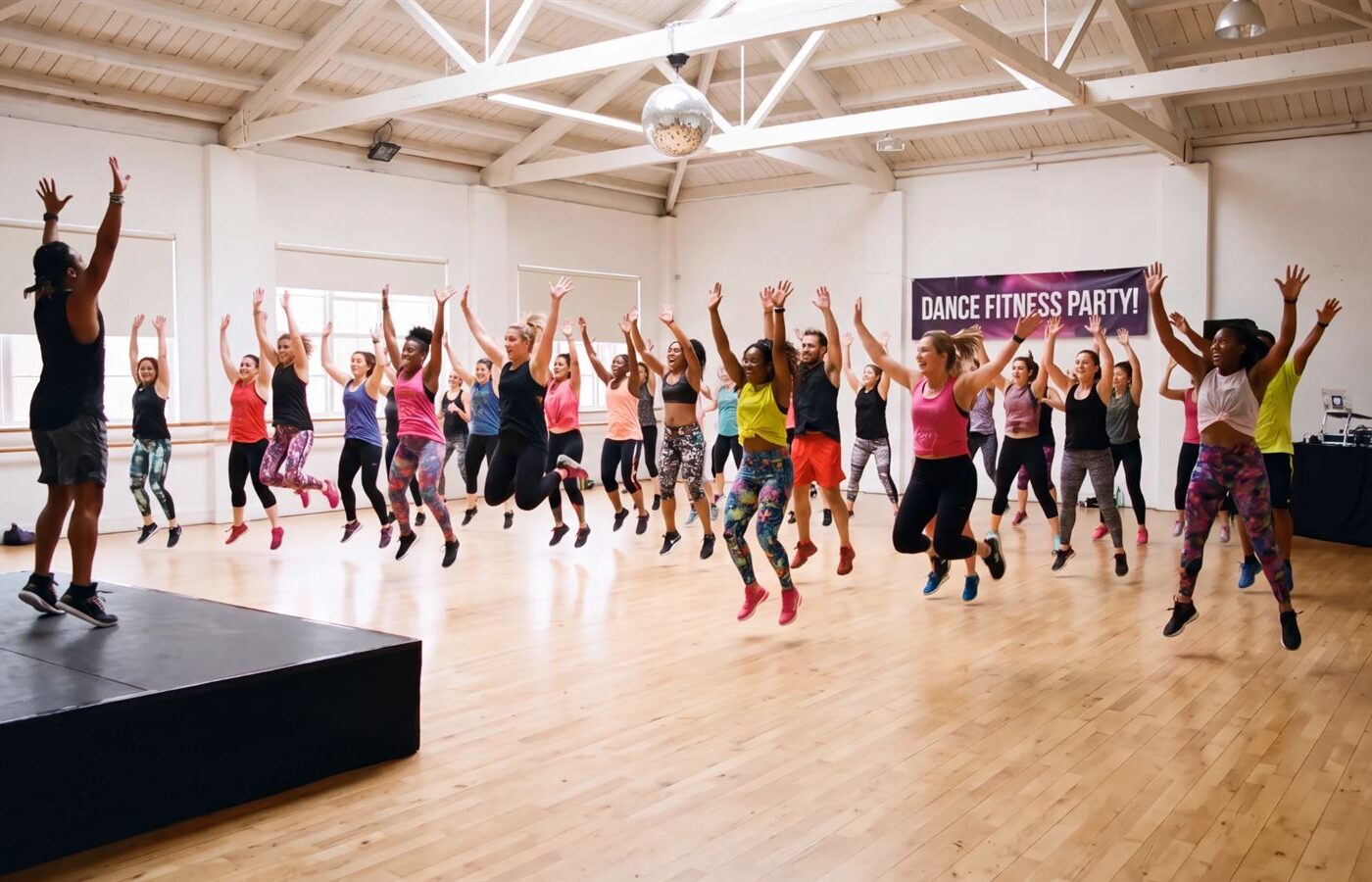
If the word “workout” makes you sigh, here is some good news: turning on a song and moving counts. Dancing has been tested in controlled trials, and the results are encouraging for people who want a lively, social way to stay active. Let us take a friendly look at what a 2024 review found, and how to get started in your own living room.
Why dancing is such a welcoming way to move
Dance raises your heart rate, works your legs and core, and asks you to remember steps, so your brain gets a workout too. It also comes with music, which tends to make time fly. There is no equipment, no gym membership, and no “right” body. A class, a video or a kitchen dance party all count, and so does a slow waltz with a friend.
What the 2024 review found
A team led by Yaya Zhang published a systematic review and meta-analysis in PLoS ONE in 2024. It pooled 10 randomized trials with 646 adults who had overweight or obesity, comparing dance programs with a control group, which mostly meant carrying on as usual. On average, people in dance programs ended up with:
- About 1.9 kg (roughly 4 pounds) lower body weight than the control groups.
- A BMI about 1 point lower.
- A waist about 3 cm (a little over an inch) smaller.
- About 2 percentage points lower body fat, and about 1.6 kg less fat mass.
Most programs ran about three sessions a week, for 40 to 90 minutes each. The authors noted the effects on fat looked clearer in programs that lasted three months or longer.
What to keep in mind
- The overall certainty was low. Studies used many different dance styles, and people knew which group they were in, so we should treat these numbers as promising rather than precise.
- Controls mostly did nothing. The comparison was largely dancing versus no new exercise, so the review does not show that dance beats other activities. The best exercise is the one you will actually keep doing.
- Few men took part. Only two of the studies included men, so we know less about how it works for them. Everyone is welcome on the dance floor, of course.
- Weight is only part of the story. Dancing can also lift your mood, build confidence and help with balance, all of which are hard to put on a scale.
Easy ways to start dancing
- Begin with three songs. That is about ten minutes, and you can add a song each week.
- Choose music you love. If it makes you want to tap your foot, it is a good choice.
- Try a class or a video. Beginner classes in styles like dance fitness, line dancing, ballroom or hip-hop are plentiful, and our look at live online workouts has tips for sticking with it.
- Dance with a friend. Social movement is easier to keep up.
- Take care of your body. Wear shoes with support, warm up gently, and stop if something hurts. If you have joint or heart concerns, check with your clinician first.
Pairing dance with your other habits
Dancing fits nicely next to everything else you enjoy. A daily walk keeps your base steady, resistance bands help build strength, and balance training pairs wonderfully with dance steps. Our reminder on appreciating what your body can do is a good soundtrack for the whole thing.
Press play
If you have been waiting for permission to make exercise fun, here it is. Put on a song, move however feels good, and let the joy count. Even a few minutes is a lovely start.
Sources
- Zhang Y, Guo Z, Liu Y, Zhou Y, Jing L. Is dancing an effective intervention for fat loss? A systematic review and meta-analysis of dance interventions on body composition. PLoS ONE, 2024;19(1):e0296089 (10 randomized trials, 646 adults; pooled results read from the open-access paper).
- U.S. Department of Health and Human Services. Physical Activity Guidelines for Americans, 2nd edition.
Weight Wire is free to read. A free account lets you save articles and use the private journal and food lookup, which are free to use too. Create my free account

Weight Wire Editorial Team
Writer at Weight Wire.