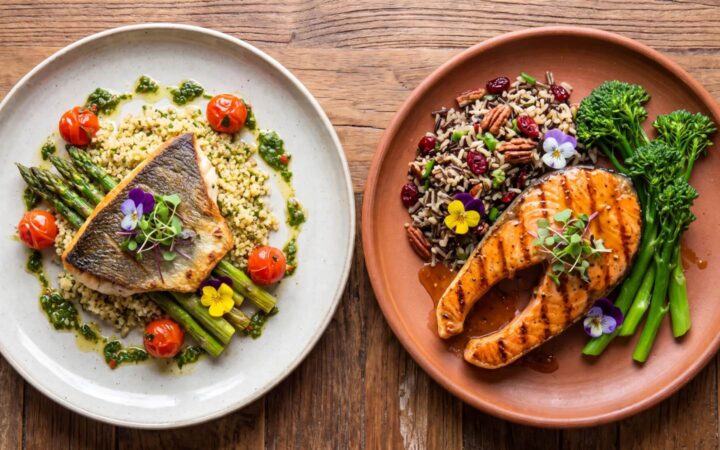
The DASH Eating Plan: A Tasty Way to Support Healthy Blood Pressure
If you have ever wished there were a friendly, well-tested way of eating to support healthy blood pressure, the DASH eating plan is exactly that. It is not a fad, it does not ask you to cut out whole food groups, and it was built on careful studies funded by the U.S. National Institutes of Health. Let’s look at what it is, how the trials turned out, and some easy ways to bring a little DASH into your week. This is general education, not medical advice.
What DASH actually is
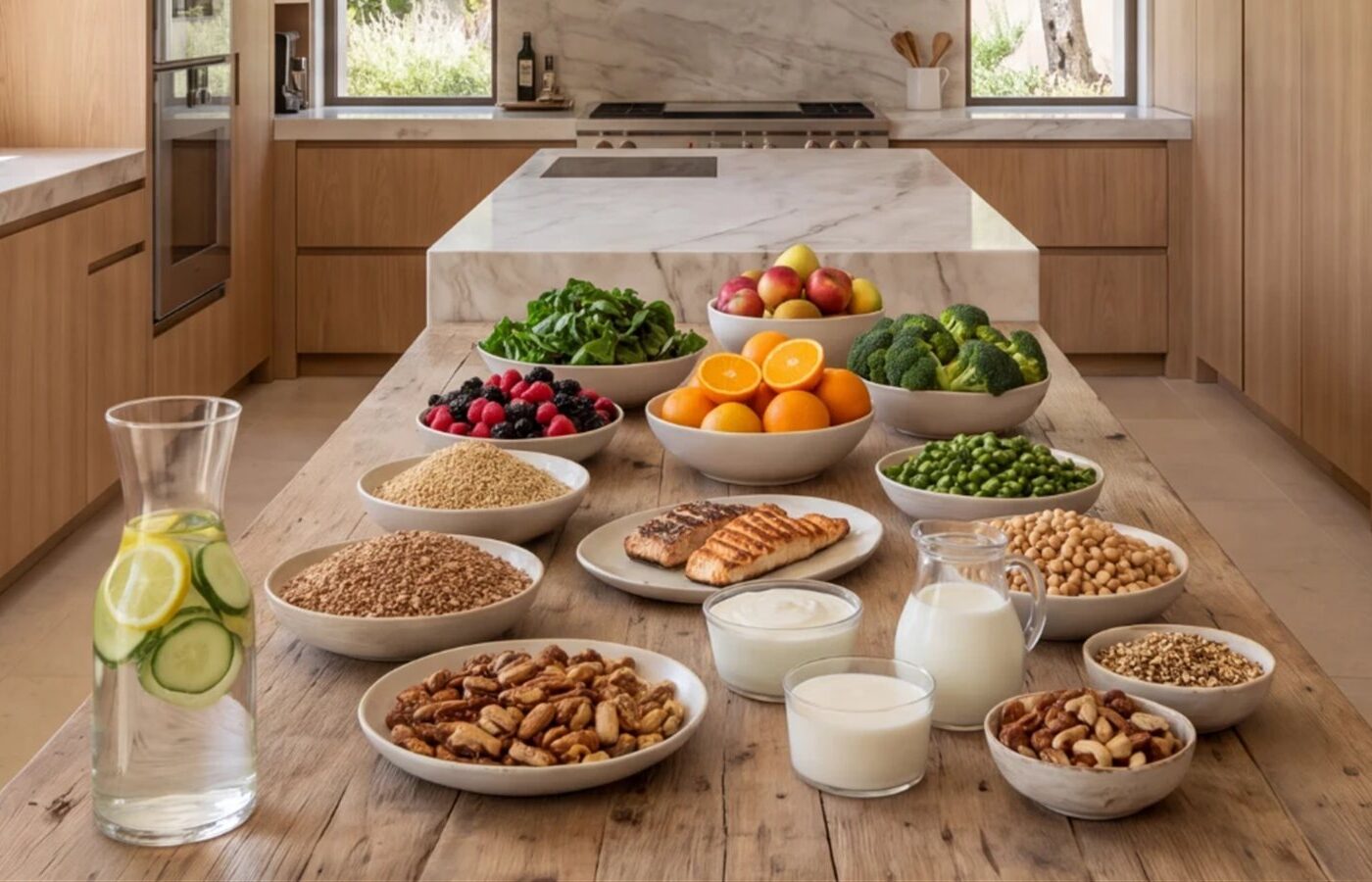
DASH stands for Dietary Approaches to Stop Hypertension. It is a pattern more than a rulebook: lots of vegetables and fruit, whole grains, low-fat dairy, fish, poultry, beans and nuts, with less red meat, sweets, sugary drinks, saturated fat and salt. The National Heart, Lung, and Blood Institute offers a free guide to the plan if you would like the full details.
The original trial
In 1997, Appel and colleagues published the DASH trial in the New England Journal of Medicine. It was a multicenter randomized feeding study, meaning the food was provided, in 459 adults whose systolic blood pressure was under 160 at the start. Compared with a typical American control diet:
- The combination DASH diet, rich in fruits, vegetables and low-fat dairy and lower in saturated and total fat, lowered systolic blood pressure by 5.5 points and diastolic by 3.0 points more than the control diet.
- A diet that only added fruits and vegetables lowered systolic pressure by 2.8 points more than the control.
Those are meaningful changes from food alone, and it is encouraging that even the simpler fruits-and-vegetables version helped.
Adding a little less salt
A follow-up study, DASH-Sodium, was published by Sacks and colleagues in the New England Journal of Medicine in 2001. It included 412 participants who ate either the control diet or the DASH diet, each at three sodium levels (roughly 3,300, 2,400 and 1,500 milligrams a day) for 30 days apiece. Lower sodium lowered blood pressure on both diets, and the combination was the strongest: compared with the high-sodium control diet, the low-sodium DASH diet gave systolic readings about 7 points lower in people without high blood pressure and about 11.5 points lower in people with high blood pressure.
Easy ways to bring in some DASH
- Add one more vegetable to lunch or dinner, and keep fruit where you can see it.
- Swap in whole grains when you can. Our guide to whole grains has ideas.
- Bring in beans and nuts. See beans, lentils and chickpeas for tasty starting points.
- Season with herbs, citrus and spices so food tastes bright without a heavy hand on the salt.
- Peek at labels. Sodium hides in bread, sauces, soups and snacks, and our guide to reading a nutrition label makes it quick.
- Plan a little ahead. A few prepped basics make healthy choices easier, as we describe in meal planning.
Disclosure: Weight Wire’s free Food Lookup shows sodium for foods and brands, and the private journal can help you notice patterns. These tools were not part of the studies above, and the numbers are estimates.
Good to know before you start
The DASH trials were feeding studies, so people ate food that was prepared for them, and everyday life is usually a little less exact. Your own results will vary. If you take medicine for blood pressure, have kidney disease (DASH is rich in potassium) or follow a special diet from your doctor, please talk with your clinician before making big changes. And if your blood pressure improves, let them know, because your care plan may need a fresh look. If you enjoy the Mediterranean style, you will notice plenty of overlap, which we explore in our guides to the Mediterranean diet and olive oil.
Sources
- Appel LJ, Moore TJ, Obarzanek E, et al. A clinical trial of the effects of dietary patterns on blood pressure (DASH). New England Journal of Medicine, 1997;336(16):1117-1124.
- Sacks FM, Svetkey LP, Vollmer WM, et al. Effects on blood pressure of reduced dietary sodium and the Dietary Approaches to Stop Hypertension (DASH) diet. New England Journal of Medicine, 2001;344(1):3-10 (abstract and summaries; sodium amounts in milligrams are approximate conversions from the trial’s millimoles).
- National Heart, Lung, and Blood Institute. DASH eating plan: nhlbi.nih.gov.
Weight Wire is free to read. A free account lets you save articles and use the private journal and food lookup, which are free to use too. Create my free account

Weight Wire Editorial Team
Writer at Weight Wire.