GLP-1 Medications and Your Gallbladder: What to Watch For
If you are thinking about a GLP-1 medication, or already taking one, it helps to know about the gallbladder. This is one of the side effects that clinicians talk about, and the good news is that knowing the signs puts you in a strong position. Let us walk through what a large review found, in a calm and practical way.
What the gallbladder does
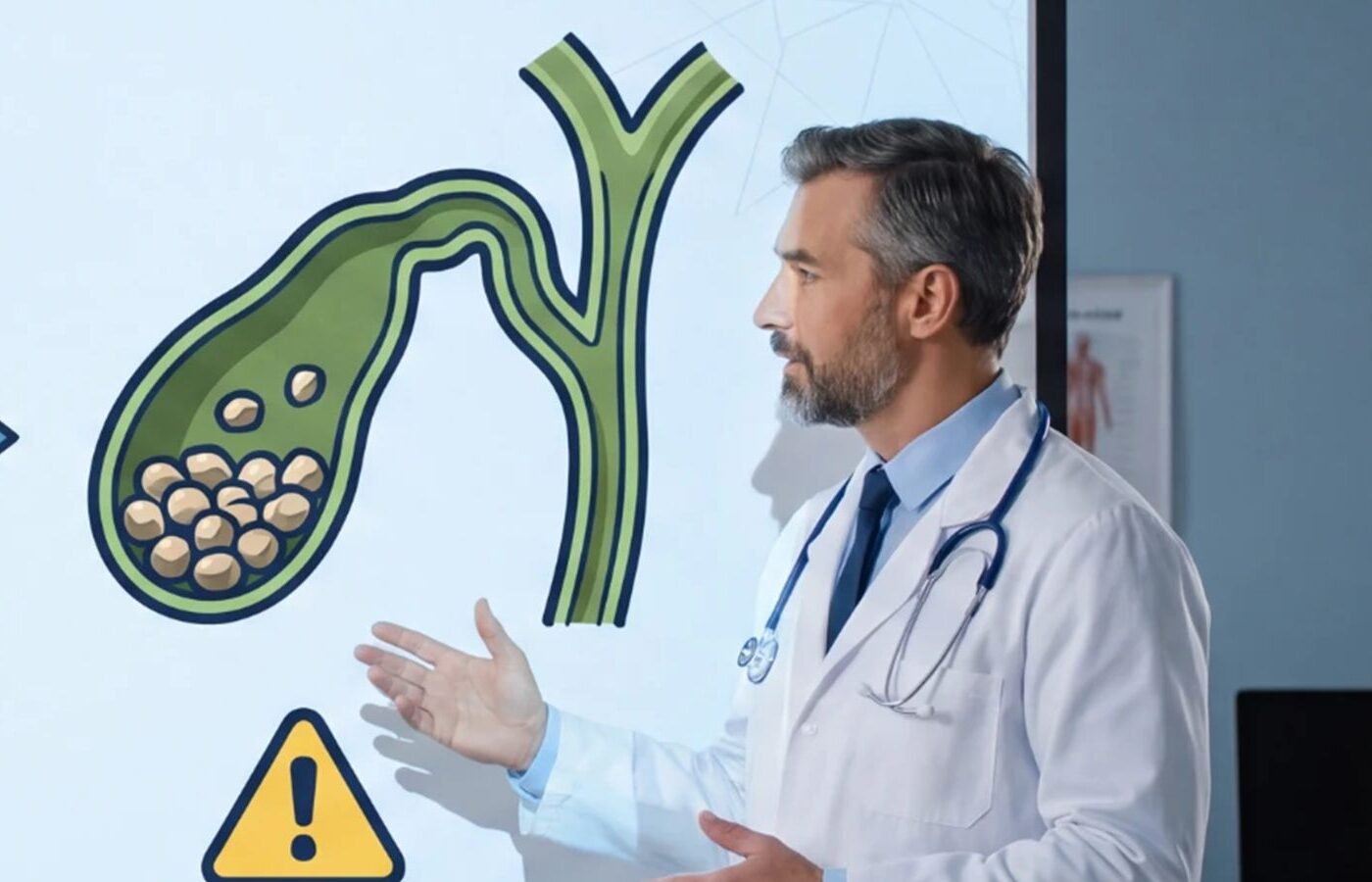
Your gallbladder is a small organ under the liver that stores bile, a fluid that helps you digest fat. Sometimes bile hardens into gallstones, which can cause pain or inflammation. Gallstones are common, and rapid weight loss on its own is a known risk factor for them, whatever the method.
What a large review found
In 2022, JAMA Internal Medicine published a systematic review and meta-analysis of randomized trials of GLP-1 medications. The authors found:
- A modest increase in gallbladder and bile duct problems overall. The pooled relative risk was about 1.37, including gallstones (about 1.27) and gallbladder inflammation (about 1.36).
- A bigger signal in weight-loss trials. The relative risk was about 2.29 in weight-loss trials, compared with about 1.27 in trials for type 2 diabetes and other conditions.
- Higher doses and longer treatment linked to more risk. The authors reported greater risk with higher doses and longer duration.
- A small absolute change. The authors estimated about 27 additional cases per 10,000 people treated for a year.
Keeping it in proportion
Relative risk can sound big while the absolute change stays small, which is why that last point matters. The trials were also not designed mainly to test gallbladder problems, so some events may have been under-reported, and an accompanying editorial raised the possibility of surveillance bias. The key message is awareness, not alarm.
Signs worth knowing
Contact your healthcare professional promptly if you notice any of these, and seek urgent care if they are severe:
- Pain in the upper right or middle of your belly, sometimes spreading to your back or shoulder, especially after a meal
- Nausea or vomiting with the pain
- Fever or chills
- Yellowing of your skin or the whites of your eyes
Simple steps that help
- Tell your care team about any gallbladder history, including gallstones or past gallbladder surgery.
- Aim for steady, gradual weight loss when you can, which your clinician can help guide.
- Keep eating regular, balanced meals; see eating well while taking a GLP-1 medication.
- Do not stop a medicine on your own. Talk with your clinician first.
- Keep learning. See side effects in the big trials and who qualifies for a GLP-1 medication.
This article is for general education and is not medical advice. Weight Wire does not recommend or endorse any medication. Talk with your healthcare professional about your own situation.
Sources
- He L, Wang J, Ping F, et al. Association of glucagon-like peptide-1 receptor agonist use with risk of gallbladder and biliary diseases: a systematic review and meta-analysis of randomized clinical trials. JAMA Internal Medicine. 2022;182(5):513-519. PubMed
Weight Wire is free to read. A free account lets you save articles and use the private journal and food lookup, which are free to use too. Create my free account

Weight Wire Editorial Team
Writer at Weight Wire.