Eating Well While Taking a GLP-1 Medication
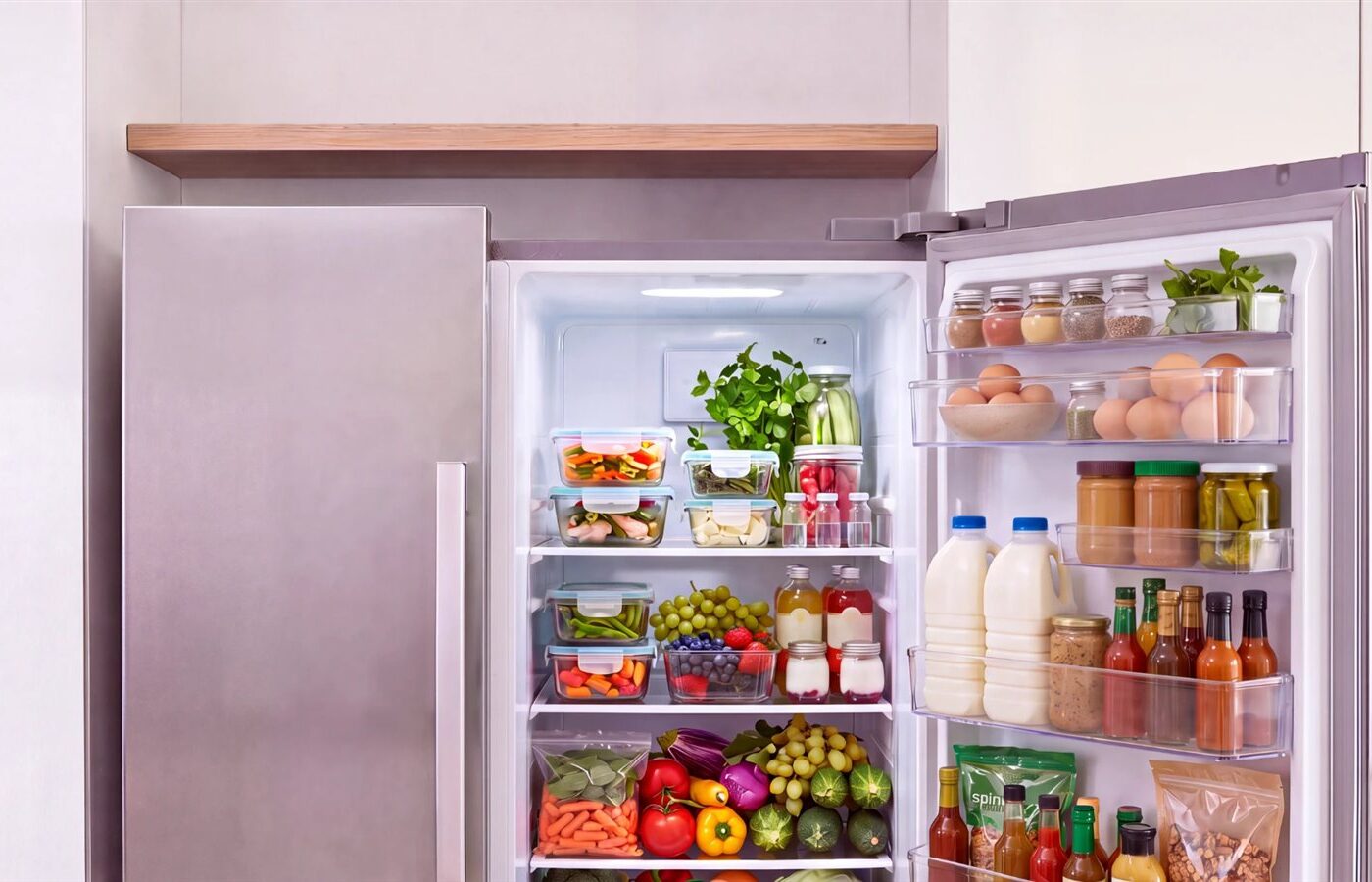
For many people, starting a GLP-1 medication changes how food feels. Appetite shrinks, meals get smaller and some foods stop sounding good. That can be a welcome relief, and it also raises a practical question: how do you make sure the smaller amount you do eat still gives your body what it needs? This is general education, not medical advice. Anyone taking a prescription medication should follow the guidance of their own care team.
Why nutrition matters more, not less
When you eat less, there is less room for filler. In 2025 four professional organizations (the American College of Lifestyle Medicine, the American Society for Nutrition, the Obesity Medicine Association and The Obesity Society) issued a joint advisory on nutrition during GLP-1 therapy, led by Dariush Mozaffarian and published in the American Journal of Clinical Nutrition. Its starting point is that these medications can bring stomach and gut side effects, gaps in vitamins and minerals, and loss of muscle and bone along with fat, so food and lifestyle support are needed alongside the medication.
The advisory lists eight priorities. Among them are a baseline look at your eating, managing digestive side effects, favoring nutrient-dense and minimally processed foods, preventing micronutrient shortfalls, and pairing enough protein with strength training to protect lean mass.
Protein and strength work go together
Weight lost on these medications includes some lean tissue, which is why muscle loss gets so much attention. Protein at each meal and regular resistance exercise are the two habits most often suggested to help. If you are new to lifting, our guide to strength training and bone health is a gentle place to begin. Ask your clinician or a registered dietitian what protein amount suits you.
Making small meals count
- Start with the protein and the plants. If you only manage a few bites, those are the ones worth having.
- Eat slowly and stop when you are comfortably full. Pushing past fullness is a common trigger for nausea.
- Think smaller and more often if large meals feel uncomfortable.
- Go easy on greasy, very rich or very sugary foods if they upset your stomach. Many people find them harder to tolerate.
- Add fiber gradually, with plenty of fluids, to help with constipation. Beans, lentils, whole grains and fruit all contribute.
Fluids deserve attention
Vomiting or diarrhea can lead to dehydration, and the prescribing information for these medications includes warnings about kidney problems in people who become dehydrated. Sipping fluids through the day matters, and so does telling your care team if you cannot keep fluids down.
When to check in
Persistent vomiting, severe stomach pain, signs of dehydration or trouble eating enough at all are reasons to contact your clinician rather than wait. Our overview of side effects in the large trials shows how common digestive symptoms are, and most are mild to moderate and tend to ease over time.
A food diary can help you notice which foods sit well. The free journal on Weight Wire is one place to keep one, and it is private to you.
Sources
- Mozaffarian D, et al. Nutritional priorities to support GLP-1 therapy for obesity: a joint advisory from the American College of Lifestyle Medicine, the American Society for Nutrition, the Obesity Medicine Association, and The Obesity Society. American Journal of Clinical Nutrition, 2025;122:344-367.
- U.S. Food and Drug Administration. Prescribing information for semaglutide weight-management medication (warnings on acute kidney injury and gastrointestinal adverse reactions).
Weight Wire is free to read. A free account lets you save articles and use the private journal and food lookup, which are free to use too. Create my free account

Weight Wire Editorial Team
Writer at Weight Wire.