Stretching: What It Does and Does Not Do for Your Workout
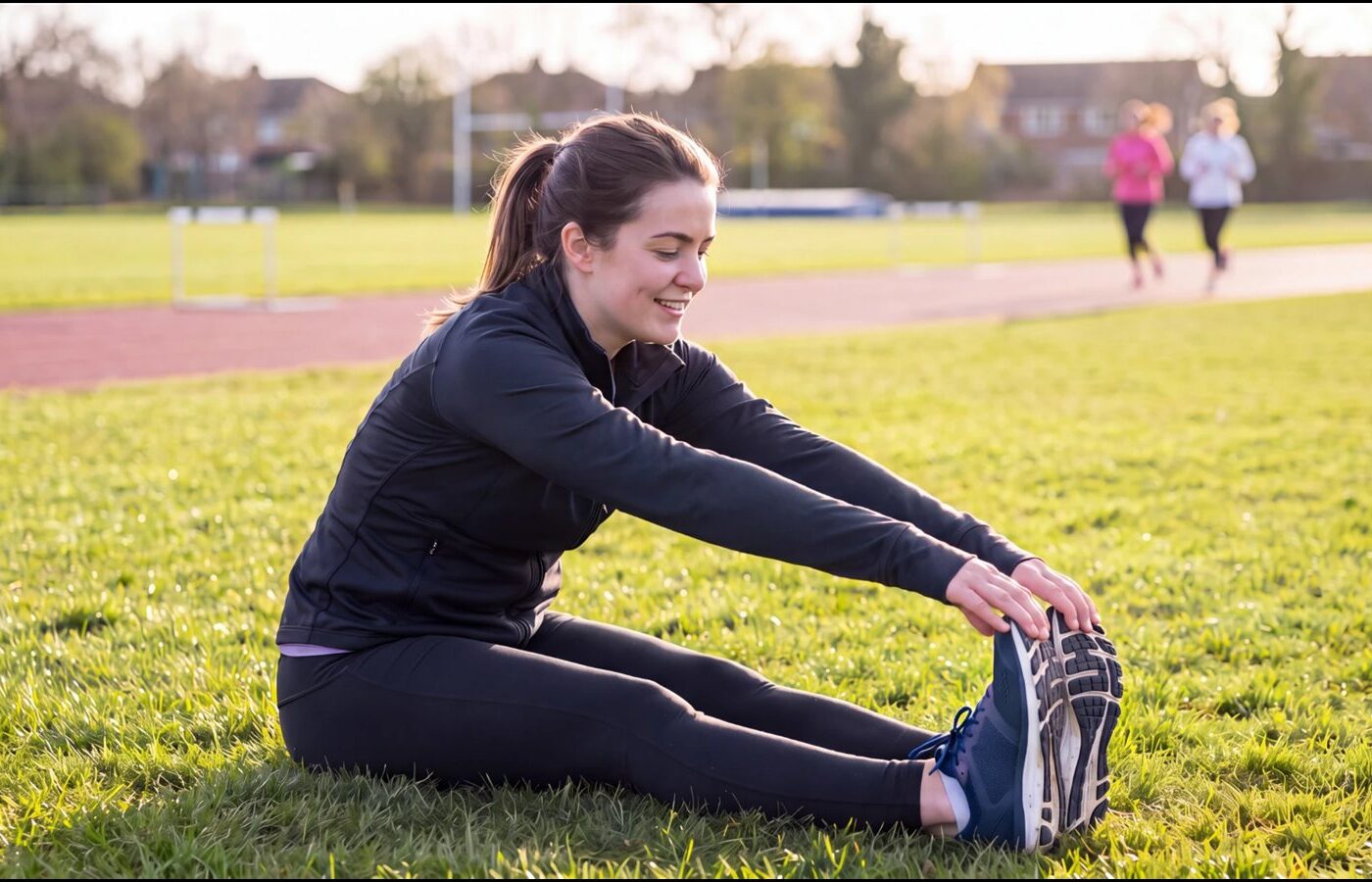
Many of us were taught to touch our toes before a run or hold a long stretch before lifting. It feels like the responsible thing to do. The research tells a more nuanced story. This is general education, not medical advice, and anyone with an injury should check with a clinician or physical therapist.
Does stretching prevent soreness?
A Cochrane review by Herbert and colleagues pooled randomized trials on stretching before and after exercise. The conclusion was modest: stretching before, after or both did not produce clinically important reductions in the soreness people feel a day or two after exercise. After exercise, the average difference was about one point on a 100-point scale.
Does it change performance?
In 2016, Behm and colleagues published a systematic review in Applied Physiology, Nutrition, and Metabolism on the immediate effects of stretching. Holding static stretches for a long time right before a task slightly lowered performance, with average changes of a few percent. Later reviews have found that short holds, about a minute or less, have only trivial effects on strength and power, and that dynamic stretching (moving through a range of motion) was not harmful and could modestly help.
What stretching does well
- It improves flexibility. Regular stretching increases how far a joint moves, which can make everyday movements easier. Exercise guidelines from the American College of Sports Medicine include flexibility work on at least two or three days a week.
- It can feel good. Many people find it relaxing, and a calm end to a workout helps them stick with it.
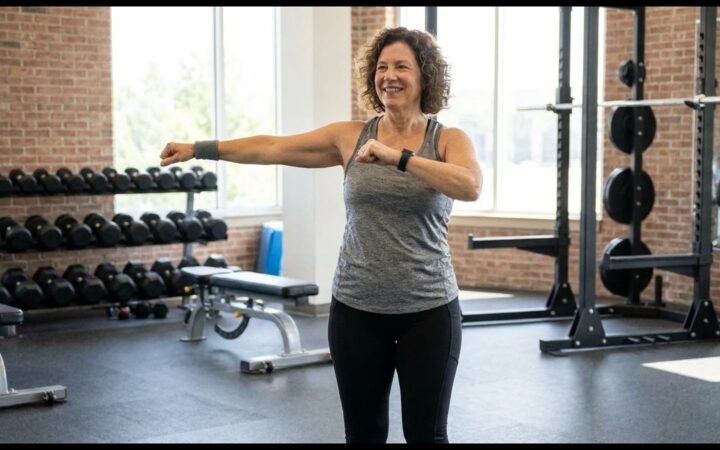
- It suits warm-ups when it is dynamic. Leg swings, arm circles and walking lunges prepare the body for what is next.
A sensible routine
- Before exercise: a few minutes of light movement, such as walking or an easy version of the activity, followed by gentle dynamic moves.
- After exercise: longer, relaxed stretches for the muscles you used, if you enjoy them.
- On other days: a short stretching or mobility session, or an activity like yoga, if you like it. See our comparison of yoga and Pilates.
- Never push into pain. Mild tension is fine; sharp pain is a signal to stop.
Pairing flexibility with strength work gives the best of both, as our guides to strength training for beginners, lifting and longevity and balance training explain.
Sources
- Herbert RD, de Noronha M, Kamper SJ. Stretching to prevent or reduce muscle soreness after exercise. Cochrane Database of Systematic Reviews, 2011, CD004577.
- Behm DG, Blazevich AJ, Kay AD, McHugh M. Acute effects of muscle stretching on physical performance, range of motion, and injury incidence in healthy active individuals: a systematic review. Applied Physiology, Nutrition, and Metabolism, 2016.
- American College of Sports Medicine. Position stand on quantity and quality of exercise (flexibility recommendations).
Weight Wire is free to read. A free account lets you save articles and use the private journal and food lookup, which are free to use too. Create my free account

Weight Wire Editorial Team
Writer at Weight Wire.