Spot Reduction: Why Crunches Won’t Melt Belly Fat
Many of us have wished we could target one stubborn spot, like the belly, with the right exercise. Plenty of workouts promise exactly that. The idea is called spot reduction, and research suggests the body does not work that way. This guide explains what happened in a well-known study and what does help. It is general education, not medical advice.
A six-week test of ab exercises
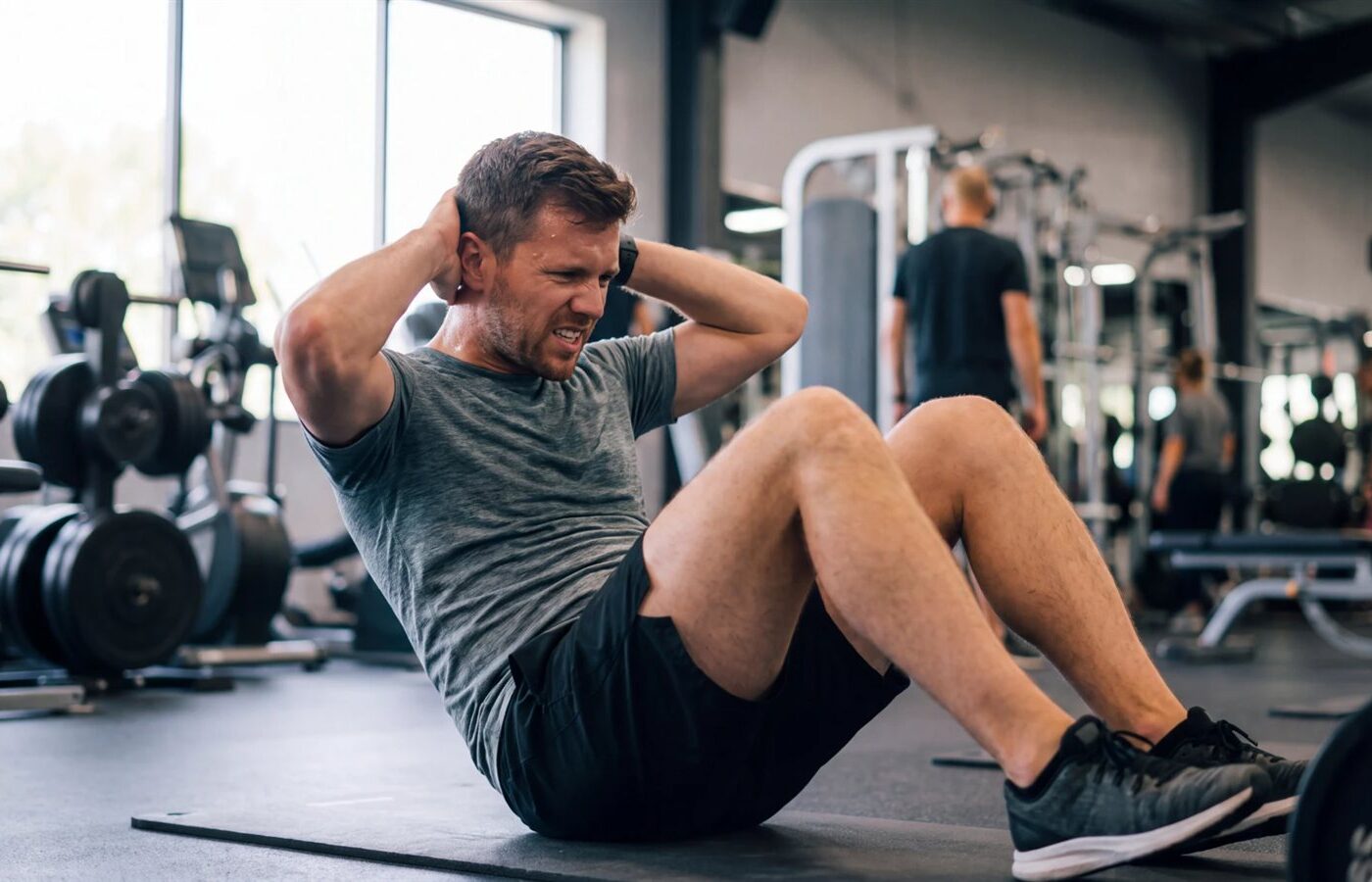
In 2011, Vispute and colleagues published a study in the Journal of Strength and Conditioning Research called “The effect of abdominal exercise on abdominal fat.” They randomly assigned 24 sedentary adults aged 18 to 40 to an abdominal exercise group or a control group. The exercise group did seven abdominal exercises, two sets of 10 repetitions, five days a week for six weeks. Everyone ate to maintain their weight.
- Fat did not change. There was no significant change in body weight, body fat percentage, abdominal fat, waist circumference or skinfold measurements.
- Muscle endurance did. The exercise group could do about 47 curl-ups on average, compared with 32 in the control group.
The study was small and short, so it does not prove that no other approach could ever work. But it fits what other researchers have found: the body draws on fat stores from across the body, not just the area you are working.
Why spot reduction doesn’t work
Fat is released into the bloodstream and burned wherever energy is needed. Where you lose it first depends largely on genetics, hormones, age and sex, not on which muscles you used. Crunches strengthen the muscles of your trunk, but those muscles sit under the fat, so changing the muscle does not remove the fat above it.
What does help
- Overall habits. A modest, steady energy deficit over time reduces fat across the body, including the waist. Our guide to exercise for weight loss and maintenance covers the activity side.
- Full-body strength training. It builds muscle that helps you move and keep metabolism steady, as in our pieces on strength training for beginners and how muscle and fat compare.
- Regular movement. Walking, cycling and everyday activity add up, as we explain in our NEAT guide.
- Sleep and stress. Both influence appetite, which is part of the energy balance.
Why core exercises are still worth doing
Dropping the myth does not mean dropping the exercises. A strong core supports your back, improves posture and balance and makes everyday tasks and other workouts easier. Planks, bird dogs, dead bugs and carries are good places to start, along with the balance work in our falls prevention guide.
Tracking progress without fixating
If a smaller waist is a goal, measure it every few weeks rather than daily, and pair it with how you feel and perform. Our BMI guide explains why one number never tells the whole story, and the optional body measurements log in My Journal can help you notice trends over time.
Sources
- Vispute SS, Smith JD, LeCheminant JD, Hurley KS. The effect of abdominal exercise on abdominal fat. Journal of Strength and Conditioning Research, 2011;25(9):2559-2564 (details from the abstract and summaries).
Weight Wire is free to read. A free account lets you save articles and use the private journal and food lookup, which are free to use too. Create my free account

Weight Wire Editorial Team
Writer at Weight Wire.