Swimming and Water Workouts: Gentle on Joints, Good for You
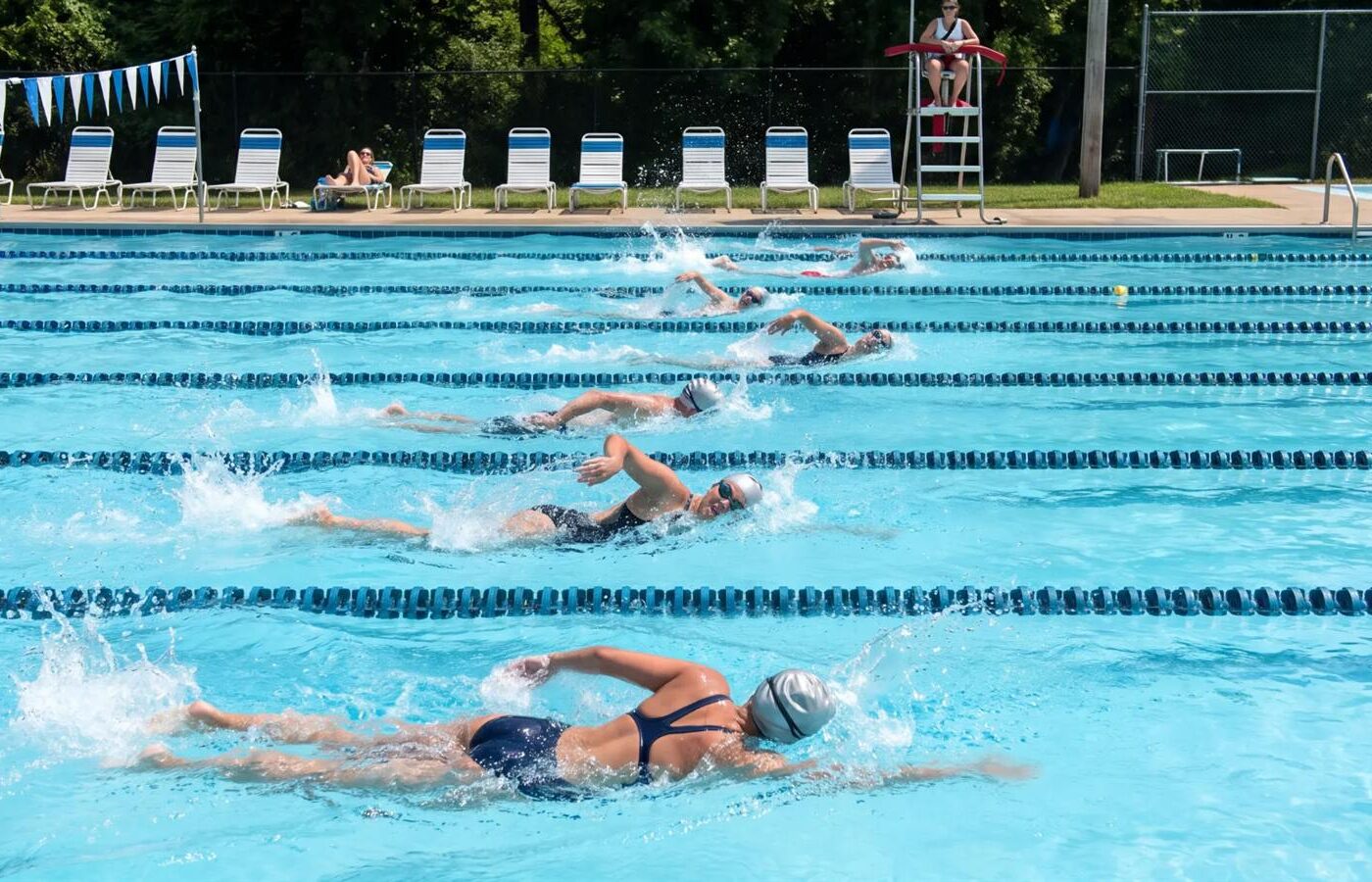
There’s something wonderfully freeing about being in the water: you feel light, your joints get a break, and the world gets quiet. Swimming and water workouts are a lovely way to move, and the research suggests they can support your body too. Let’s dive in.
What reviews have found about the pool
- Modest, real benefits. A 2018 systematic review and meta-analysis in Sports Medicine looked at swim training in non-elite swimmers. Swimming was associated with lower body mass and body fat percentage compared with controls, and the authors described the improvements in healthy adults as significant but modest.
- Effort matters. A 2023 meta-analysis of randomized trials of water-based exercise in healthy adults found that moderate or moderate-to-vigorous intensity helped improve body composition. Exercising more than about 120 minutes a week was encouraged. Gentler water exercise and water-based interval training looked less helpful in that review.
Keeping it in proportion
Gains in these studies were modest, and the review authors called for more large randomized trials. Swimming is not a magic fat burner, and no single activity is. It works best as one part of a routine that also includes good food, sleep and strength work.
Why people love the pool
- Gentle on joints. Water supports your body weight, so many people find pool exercise more comfortable than running or jumping.
- Whole-body movement. Strokes use your arms, legs and core together.
- It counts. Adults are advised to get at least 150 minutes of moderate activity a week, and swimming and water classes can count toward that.
Easy ways to get started
- Begin with short sessions. Ten or fifteen minutes of easy laps or water walking is a fine start.
- Try water walking or a water aerobics class if lap swimming feels like a lot.
- Raise the effort gradually. Aim for a pace where you can talk but not sing.
- Add variety. Switch strokes, use a kickboard or add short, faster laps; see interval training for ideas.
- Round it out. Pair pool time with strength training and balance work. For the big picture, read how much exercise helps.
Pool safety
Swim where a lifeguard is on duty when you can, never swim alone, and rest when you are tired. If you have a heart condition, asthma, an injury or other health concerns, talk with your healthcare professional before starting.
This article is for general education and is not medical advice.
Sources
- Lahart IM, Metsios GS. Chronic physiological effects of swim training interventions in non-elite swimmers: a systematic review and meta-analysis. Sports Medicine. 2018. Springer
- Water-based exercise and body composition in healthy adults: a meta-analysis of randomized controlled trials. Complementary Therapies in Clinical Practice. 2023.
- U.S. Department of Health and Human Services. Physical Activity Guidelines for Americans, 2nd edition. odphp.health.gov
Weight Wire is free to read. A free account lets you save articles and use the private journal and food lookup, which are free to use too. Create my free account

Weight Wire Editorial Team
Writer at Weight Wire.